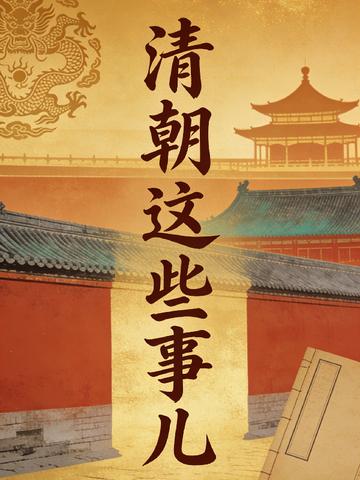
The book is divided into volumes following the order of Qing emperors’ reigns. Each volume focuses on one or two central emperors and traces the dynasty’s founding, its golden age, its decline, and its final collapse across four sections:
Part One: Founding the Dynasty (1616–1661)
This opening volume covers three emperors: Nurhaci, the Qing Taizu; Hong Taiji, the Qing Taizong; and Fulin, the Qing Shizu. It recounts the key events from the unification of the Jurchen tribes and the establishment of Later Jin and the Great Qing, through the conquest of China proper and the consolidation of nationwide rule. These events form the heart of the volume.
Part Two: The Kangxi and Qianlong Golden Age (1661–1796)
Focusing on the three emperors Kangxi, Yongzheng, and Qianlong, this section covers the removal of Oboi, the suppression of the Three Feudatories, the recovery of Taiwan, campaigns against the Dzungars, the replacement of native chieftains with imperial officials, and the policy of isolation. It charts both the golden age’s peak and the crises lurking beneath it.
Part Three: Decline and Turning Point (1796–1840)
Centered on Jiaqing and the early years of Daoguang, this section recounts the White Lotus Rebellion, corruption in the bureaucracy, the spread of opium, and the decline of national power: the turning points that led the Qing from prosperity to decline.
Part Four: The Final Years and Fall (1840–1912)
From the Opium War to the abdication of the Qing emperor, this section covers invasions by foreign powers, the Taiping Rebellion, the Self-Strengthening Movement, the Hundred Days’ Reform, the Late Qing Reforms, and the Xinhai Revolution, culminating in the end of the feudal dynasty.
The Qing Dynasty turned out to be Jurchens