Lin Mo's life began with a parting. When she was two, her parents boarded a green train heading south and left her behind in the autumn rain of northern Anhui. From then on, her childhood was filled with the roar of the steel mill's boiler room, remittances that never came, and her mother's hand suspended in midair on her deathbed, forever unable to embrace her.
Fate seemed determined to grind her into dust: left behind, impoverished, and losing one loved one after another. Yet she insisted on struggling until she could bloom. With an old desk lamp and secondhand reference books, she gritted her teeth and fought her way into Peking University, believing she had finally seized the lifeline that could change her fate.
Then a diagnosis identical to her mother's shattered every last hope: hereditary leukemia. It was like a curse etched into her genes, spanning two generations and arriving right on schedule.
But she refused to give in. With her beloved Chen Yu protecting her at all costs, Lin Mo began a calm yet resolute “counterattack”: she meticulously calculated the returns on her insurance, established a research fund, and planned for what would happen after her death. If life could not be prolonged, then she would give it greater depth. If she could not escape the wind, then she would become part of it, helping the next seed to sprout.
This is a story about “breaking” and “rebuilding.” What breaks is the body, the dream of reunion, and the seemingly solid future. What is rebuilt is the meaning of love, the value of life, and the spark born in despair, bright enough to set the world ablaze.
When the late-summer wind finally passed, what Lin Mo left behind was not a tombstone, but a pen passed on to the next generation, a fund to benefit those who came after her, a young scientist transformed by love, and countless eyes lit up by her story.
This is not a story about death.
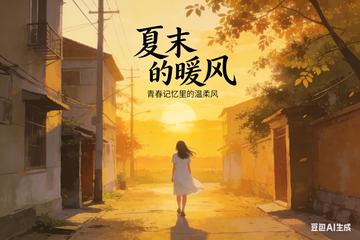
Good-looking, good-looking ❤️❤️❤️ Super beautiful, so painful, the heroine