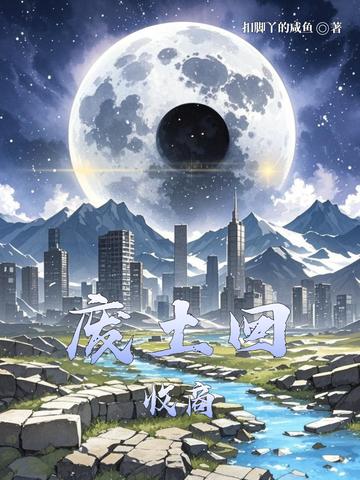
After the catastrophe of nuclear war, 90% of the world's land became a radioactive dead zone, and survivors in the last 10% of the land would sell everything for a bite of food. When the dying protagonist awakens to the "Universal Recycling System" - which can recycle any material into "recycling points" and use the recycling points to exchange for any materials - he discovers that he not only has the ability to survive, but also the fulcrum of the entire wasteland order.
There is no garbage in the wasteland, only misplaced resources - everything abandoned in the old world may become the key to changing destiny in the new world.
The real power is not how much you have, but how much you can transform - the essence of recycling is not accumulation, but flow and creation
When a person can recycle everything, the question he must face is: What is he willing to recycle and what he refuses to recycle - human nature, conscience, bottom line, can these things be "recycled"? If so, should it be recycled?
AD 3025: World War III breaks out, and nuclear-armed countries around the world simultaneously detonate their nuclear arsenals.
The day of the nuclear explosion is called the "Day of the End". More than 20,000 nuclear warheads around the world exploded within 48 hours.
Nuclear winter lasts for 150 years: sunlight is blocked, temperatures plummet, and ecosystems collapse
AD 3175-4025: Radiation gradually settles, but 90% of the world's land is still in medium- and high-risk radiation areas and cannot survive for a long time
AD 4025 (the story begins): The only remaining living space for mankind is the 10% "pure land" that is not directly covered by nuclear bombs and protected by wind direction and terrain - including some high-altitude mountainous areas, some special geological structure zones, and a few lucky islands.