The System told me that completing the plot would let me ascend to immortality.
So I helped Uncle Jiu’s zombies sue for their rights, taught Nie Xiaoqian to sign a contract and make her debut, and found a door to the world of Kung Fu inside the fridge at Love Apartment.
I thought this was the standard way to transmigrate into a book and become a god from the start.
That is, until I ascended and saw that
The Hong Kong ghost-movie universe I lived in was a chaotic nightmare inside a “Nightmare Beast.”
The urban comedy world I had transmigrated into was the bored daydream of a “Joy Buddha.”
Then the System gave a cold notification: [Level Three World “Martial Arts Kunpeng” digestion countdown: 30 days.]
It turned out that so-called ascension was nothing more than jumping from the stomach of a little monster into the blood vessels of a Great Buddha.
Every transmigration, plot, romance, and brotherhood was merely a mirage in the long process of a higher-dimensional life-form digesting its meal.
When I took up my damaged System, led my companion who had followed me from the zombie universe, and brought along the sworn brothers I had made in the comedy world, I finally cut through the flesh wall of the ninth-layer world.
I saw the ultimate truth.
There were no gods there, no universe.
Only a corpse, floating in the void and stretching for billions of light-years.
Then my System suddenly let out a soft laugh, restored to its complete form:
“Welcome to consciousness, Cancer Cell No. 742.”
“Now it’s your turn to choose whether to spread.”
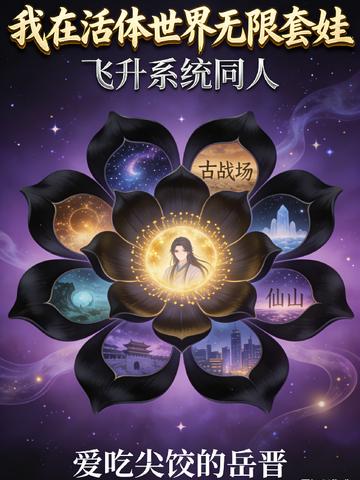
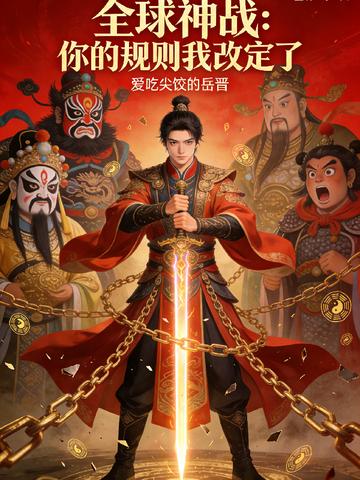
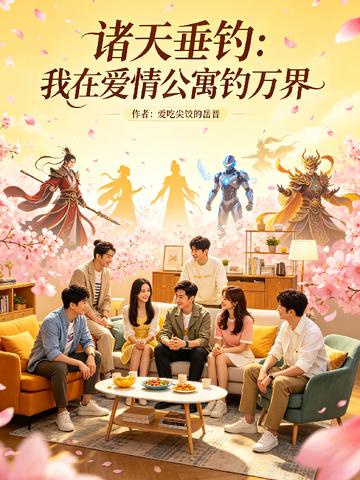
This is a narrative uprising that takes place in the dreamland of Brahma, using instant noodles, Tai Chi Jin and the unfinished "I love you" to prove that the existence of even a drop of ink is worth negotiating with the entire white paper. Rating (percentage scale): Creative Breakthrough: 95 Characterization: 90 Philosophical Depth: 88 Narrative completion: 85 Emotional resonance: 92 Overall: 90 ("One Hundred Years of Solitude" is a potential stock in the online literary world) Recommended for: Senior readers who are tired of reading routine time travel stories Audiences who enjoy a "Rick and Morty" existential orgy Creators who think about the "power relationship between author and character" during creation All the gentle people who have shed tears for fictional characters The final revelation may be: When we are worried about whether Lu Ziqiao can remember Meijia, we are also answering the core proposition of this book - the truth or falsehood of the story is not important, what is important is whether the story allows us to better understand what "living" means. And this is the compassion that all narrative art ultimately points to.