This article is another fictional story in the "The King of Paper" series of stories set in the same period.
The content of the article is similar to that of "The King of Paper" and can be read together.
Reader comments
A monument built with names
"Falcon" is a heavy work set in the Harbin Police Department of the Puppet Manchukuo. Through the perspective of Japanese Police Chief Seiji Koizumi, the author shows the complex spectrum of human nature during those dark years - the perpetrators are not only symbolic demons, but also individuals who are tortured by memory; the resisters are not only symbols of heroism, but also ordinary people with flesh and blood, fear and pain.
The most shocking thing about the book is the core image that runs throughout: four thousand seven hundred and thirty-one names. They changed from archival cards to Li Dequan's notebooks, from Koizumi's confession to Zhang Xinyu's inheritance. Names gain life in passing and become weapons against forgetfulness. As the book says: "Memories last longer than concrete."
This is not a comfortable novel. It forces us to think: when the weight of history is on our shoulders, should we choose to forget or remember? And remembering itself is a kind of resistance.
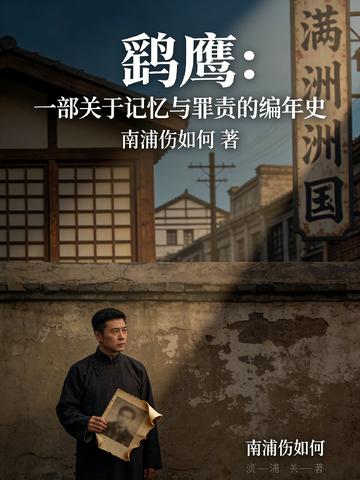
A monument built with names "Falcon" is a heavy work set in the Harbin Police Department of the Puppet Manchukuo. Through the perspective of Japanese Police Chief Seiji Koizumi, the author shows the complex spectrum of human nature during those dark years - the perpetrators are not only symbolic demons, but also individuals who are tortured by memory; the resisters are not only symbols of heroism, but also ordinary people with flesh and blood, fear and pain. The most shocking thing about the book is the core image that runs throughout: four thousand seven hundred and thirty-one names. They changed from archival cards to Li Dequan's notebooks, from Koizumi's confession to Zhang Xinyu's inheritance. Names gain life in passing and become weapons against forgetfulness. As the book says: "Memories last longer than concrete." This is not a comfortable novel. It forces us to think: when the weight of history is on our shoulders, should we choose to forget or remember? And remembering itself is a kind of resistance.