The style of the 1970s always carries the fragrance of locust flowers. The stone mill under the old locust tree turned again and again, grinding the days into fine powder, mixed with sweat, laughter and secretly hidden sugar cubes.
When Shen Xiangyang walked through the grain drying field with a canvas bag on his shoulder, the ends of his braids always brushed against the bamboo baskets filled with wild vegetables. The red string on her wrist is tied with a rounded piece of locust wood, which was carved for her the year her father left. He said that the sunflowers follow the sun, and we follow the days.
Li Jianguo, who lives next door, always likes to lean on the locust tree and look at her. His army green coat is washed white and he is spinning a locust seed in his hand. When she walks by, he coughs on purpose, but when she turns around, his ears turn red. Nian An, the girl from the captain's family, kept pestering her to listen to the stories told by the educated youth from the city. She had secretly hidden roasted sweet potatoes in her trouser pockets, which were so hot that she rubbed her hands.
The locust flowers bloomed and fell, falling on the stone roller, Shen Xiangyang's canvas bag, and the patch cloth Li Jianguo handed over pretending to be casual. The red rope was polished and shiny, the locust wood pieces were warmed by the body's body temperature, and the days were like sunflowers, slowly stretching towards the place with light - the extra half scoop of cornmeal during the food distribution, the military jackets mended under the kerosene lamp at night, the dried locust flowers in the poetry collection brought by the educated youth, and the small sunflowers carved from locust wood that Li Jianguo finally dared to hand over.
In that era that was not affluent but practical, the old locust tree was like a silent witness, watching a group of young people make the hard days sweet, weaving the tiny pieces of warmth into the red rope, making every ordinary day like a sunflower, working hard towards the light, slowly blooming.
Reader comments
"Sunflowers Under the Locust Tree in the 1970s" is like a handful of new wheat with morning dew, its simplicity hides moving power. There are no earth-shattering adventures, but the bond between the land and people's hearts is clearly written in the daily life of seedling raising, ear heading, and harvest. Shen Zhiyan takes "Xuemai No. 1" To take root in the countryside. Grandma Chen's wheat straw craftsmanship, Uncle Zhang's old plow, and the children's dreams of wheat fields. Each character is like a weed on the field ridge, ordinary but full of tenacity.
The most touching thing is the wisdom of "taking your time" - wheat needs to go through wind and rain before it will be full, and life must be lived carefully before it can be steady. When the wheat waves turn to gold, we not only see the joy of a good harvest, but also the warmth of a group of people planting hope into the land with their hands. This is not the end, it is a new beginning, just like wheat seeds falling to the ground, there is always something to look forward to next season.
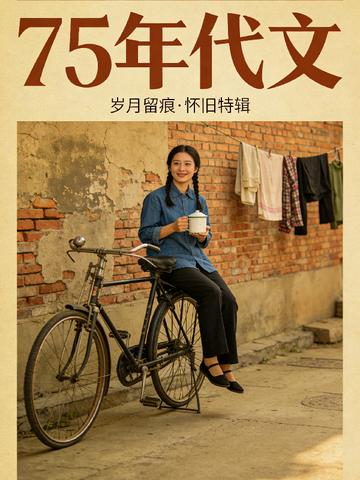


"Sunflowers Under the Locust Tree in the 1970s" is like a handful of new wheat with morning dew, its simplicity hides moving power. There are no earth-shattering adventures, but the bond between the land and people's hearts is clearly written in the daily life of seedling raising, ear heading, and harvest. Shen Zhiyan takes "Xuemai No. 1" To take root in the countryside. Grandma Chen's wheat straw craftsmanship, Uncle Zhang's old plow, and the children's dreams of wheat fields. Each character is like a weed on the field ridge, ordinary but full of tenacity. The most touching thing is the wisdom of "taking your time" - wheat needs to go through wind and rain before it will be full, and life must be lived carefully before it can be steady. When the wheat waves turn to gold, we not only see the joy of a good harvest, but also the warmth of a group of people planting hope into the land with their hands. This is not the end, it is a new beginning, just like wheat seeds falling to the ground, there is always something to look forward to next season.