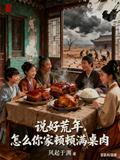
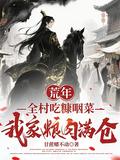
Lin Wei transmigrates into the body of a farmer’s daughter in a poor village on the frontier.
When she opens her eyes, her father is unconscious with a raging fever, her aunt by marriage has miscarried and is bleeding, and the rice jar holds nothing but a handful of moldy bran. After three years of severe drought, the earth in Liushua'ao is cracked wide enough to fit a fist. The villagers gnaw tree bark and dig up roots; they’ve eaten everything edible. Everyone says there’s no way to survive here.
But as Lin Wei crouches in a patch of saline-alkali soil on the east side of the village, she recognizes a salt- and alkali-tolerant wild plant: seepweed. Its tender shoots are edible, its seeds can be ground into flour, and its mature stalks can be burned to make soda ash. She stands up and speaks to the silent man behind her, who has just returned from the front lines:
“Dig a well and clear the land. By this time next year, I want to see grain growing here.”
Zhao Rong glances at her over his hoe without a word, then swings it down, sending clods of earth flying.
Later, Liushua'ao digs a well and opens irrigation channels, and green shoots emerge in swathes across the saline-alkali fields. The village builds a mill and opens an eatery, and passing merchant caravans love to stop there. Later still, a market is established at the border, and people come rushing in from villages ten miles around. The girl who was so thin the wind could knock her over leads a group of people who were on the verge of starving, and with every swing of her hoe, turns their hard days into good ones.