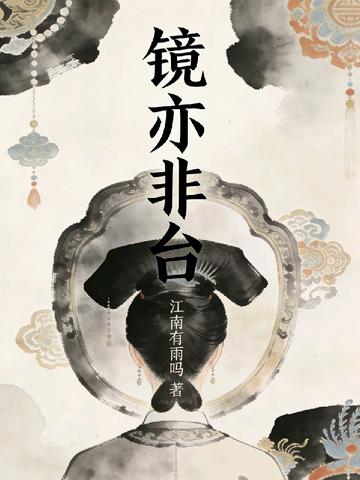
An ancient mirror exchanges two souls in different time and space, and also reflects the illusion of "self-grasping" and the possibility of breaking it.
Actress Lin Wan exchanged souls with Nala, Qianlong's successor, because of an ancient mirror. She experienced betrayal and disillusionment in the real palace, and eventually became mad; while Nala's soul was trapped in Lin Wan's modern body, paranoidly staging the fantasy of the deep love between an emperor and an empress on the set. Inside the mirror is a hell of mortal hell where you can't get what you want and feel resentful and resentful; outside the mirror is a perfect stage for self-weaving and indulgence.
When everything came to an end, Lin Wan finally realized that he, Nala, and everyone in the play were just like what the Zen koan said - "Bodhi has no tree, and the mirror is not a stand." The honor of the queen, the love of the emperor, the truth of history, and even self-understanding that they had struggled to cling to were all just phantoms projected by their minds. True awakening does not lie in distinguishing whether the shadow in the mirror is real or fake, but in seeing through the emptiness of the "mirror" and "stand" themselves, and breaking free from the shackles of all names and forms.
This is a story about time travel, and it is also a modern fable full of Zen ideas: when the external plot and the inner script collapse, who dares to face the clear heart of "originally nothing"?