Once, in Weiyang Palace, she watched power change hands across the empire.
Now, in the boardroom, she watches capital change hands.
She did not lose when history was written, and she will not lose in this life either.
She is Wei Zifu of the history books.
Deep in the Han palace, she rose from singer to empress. Between the politics of powerful clans and the struggle for imperial authority, she upheld order across the realm through restraint and endurance.
Before she died, she turned fate around, returned to the heart of the storm, helped the crown prince ascend the throne, and rewrote a chapter of history long buried.
When she awoke again, the world had changed.
The twenty-first century. A doctoral student in the history department at Z University.
Her research topic: “The Evolution of Powerful Clans’ Political Influence During Emperor Wu of Han’s Reign.”
In her thesis, she dissects the structure of power. In historical records, she analyzes her own life.
Imperial authority is gone, replaced by capital.
Weiyang Palace has become a glass-walled conference room; imperial decrees have become equity agreements; and clan rivalries have evolved into succession battles within family businesses.
At first, she is simply the quiet, rational girlfriend of a wealthy heir.
Until her proposal is casually rejected during a merger and acquisition deal.
In that moment, she suddenly understands:
The times have changed, but the rules have not.
Power still flows to the strong.
Being meek has never been an asset.
So she stops yielding.
With scholarship as her blade and capital as her chessboard, she reshapes the order of the boardroom.
As a former lover comes too late to his senses and tries to win her back, she chooses to put herself in a position above it all.
In this life, she no longer lives for the world.
She plays the game for herself.
Time turns, and Weiyang is far behind.
But true power has always belonged to those who can see the board clearly.

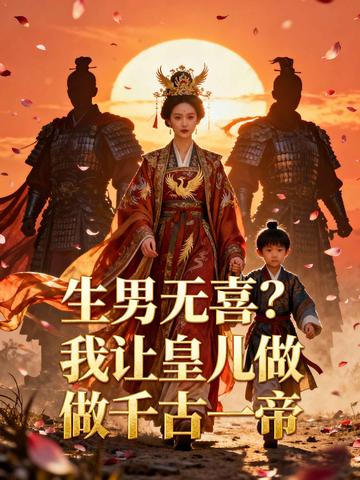 No Joy at the Birth of a Son? I'll Make My Son an Emperor for the Ages
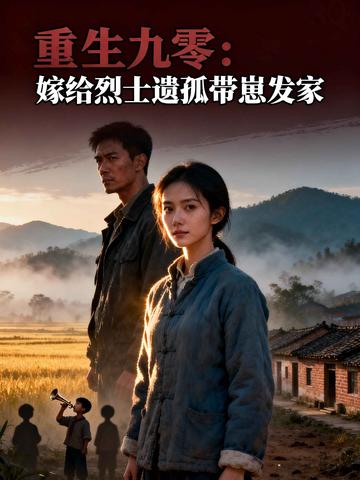 Reborn in the 1990s: I Married a Martyr’s Orphan and Built a Family
 The Sound of Autumn, Just Like the First Meeting
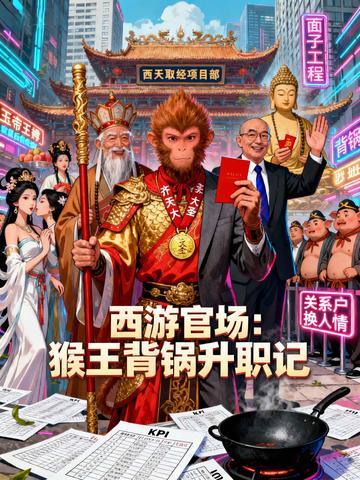 The Political Arena of Journey to the West: The Monkey King Takes the Blame and Gets Promoted
 A Beauty in Her Own Right