Country girl Lin Wandao and her young brother Lin Qiusu make a life for themselves in a barren mountain village with the farming almanac her grandmother left behind. She improves farm tools, experiments with new crops, builds irrigation works, and unites the villagers against natural disasters and human calamities, turning wasteland into fertile fields. Along the way, she meets a down-on-his-luck scholar who helps her introduce new techniques and open a school, while she also gets caught up in disputes over farmland. Through the rhythms of everyday life, the story explores the wisdom of survival and the warmth and coldness of human nature, ending with new shoots breaking through the soil and leaving readers to imagine what comes next.
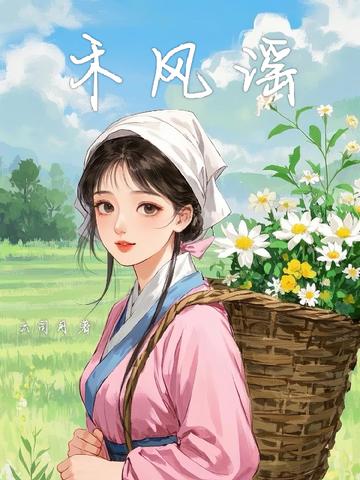
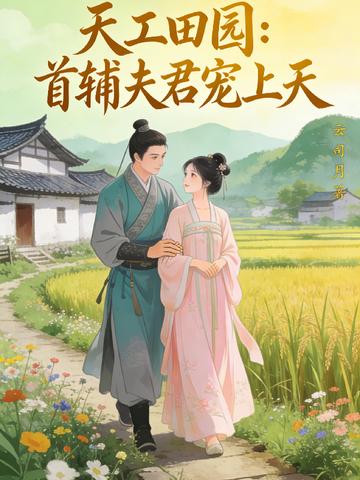
This book is like a warm-toned picture of life, full of pyrotechnic tenderness. From the chirping of cicadas in the wheat field to the warmth of the stove on a snowy night, from the sweet smell of sugar in the kitchen to the clear and refreshing taste of mung bean soup, there is a solid sense of ordinary life in every word. Shen Yanzhi's clumsy guardianship, the gentleness and tenacity of late rice, and the exciting growth of autumn millet are like the lights under the eaves, not dazzling but heart-warming. There is no ups and downs in the plot, but the details are touching - the locust petals falling on the shoulders, the lines of the wheat straw baskets, the smiles at each other when the fetuses are moving. The family affection and love are kneaded into the firewood, rice, oil and salt. Reading it is like drinking warm tea, with a long aftertaste. The truest warmth is hidden in the details: Shen Yanzhi clumsily learns to braid rope, Wan Dao secretly warms up the cold soup, Qiu Su secretly stuffs candy wrappers. The days slowly simmered in the smell of porridge, the chirping of cicadas, and the falling snow, creating fireworks in the world that are sweeter than honey.