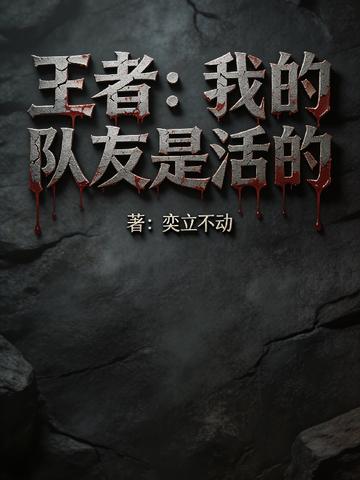
Bronze player Shi Daqiang never thought that playing King of Glory could be related to "fate" - until the landlord floating in the air to raise the rent, the little Luban in the game suddenly called him "Brother Hou Yi".
A mysterious shadow paid 500 yuan for rent in exchange for ten consecutive wins without skin. When the heroes' gasps and complaints came from the earphones, Shi Daqiang discovered that those heroes without skin were real people; and underneath the shiny skin, there was a secret of cannibalism.
The advanced mission pointed to the "Kings Canyon Serial Disappearance Case" three years ago, and the reward was actually to clear his father's gambling debt. But the secret he didn't tell anyone was exposed by a shadow. The closed game arcade in the childhood photos was the starting point of the disappearance case.
Outside the window, at the moment when the figure wearing Daji's skin expressed their feelings, Shi Daqiang finally understood: he was not playing a game, but snatching back the devoured souls from the cage of his skin - including himself, who might have been involved in it.
Reader comments
This novel weaves a warm story about inheritance and memory with delicate brushwork. The author uses "knots" as the core image to cleverly connect the emotions and time of two generations - old locust trees, cheongsam gowns, and shell knots. Each object carries unexpressed emotions and regrets. The exploration of Shi Daqiang and Lin Xiao is like retying these scattered memories with new ropes.
The article is full of exciting details: the names hidden in the Sophora japonica embroidery, the pen calligraphy on the back of the album, and the "Sophora japonica ballad" in the sound of wind chimes. These elements not only give the story a visual feel, but also give the "inheritance" a concrete warmth. It is not only telling a story about the past, but also about how we in the present take over the knot of time and let those unfinished regrets continue in another way. Reading is like drinking a cup of warm tea. The first taste is a touch of nostalgia, but the aftertaste is full of the bonds between people, as well as the softness and persistence that time cannot take away.
This novel weaves a warm story about inheritance and memory with delicate brushwork. The author uses "knots" as the core image to cleverly connect the emotions and time of two generations - old locust trees, cheongsam gowns, and shell knots. Each object carries unexpressed emotions and regrets. The exploration of Shi Daqiang and Lin Xiao is like retying these scattered memories with new ropes. The article is full of exciting details: the names hidden in the Sophora japonica embroidery, the pen calligraphy on the back of the album, and the "Sophora japonica ballad" in the sound of wind chimes. These elements not only give the story a visual feel, but also give the "inheritance" a concrete warmth. It is not only telling a story about the past, but also about how we in the present take over the knot of time and let those unfinished regrets continue in another way. Reading is like drinking a cup of warm tea. The first taste is a touch of nostalgia, but the aftertaste is full of the bonds between people, as well as the softness and persistence that time cannot take away.