“Since Heaven has given me another chance at life, I’m not spending this one reading files in an office. I’m going to the fields to grow apples.”
In 2026, forty-year-old Ding Yi breathed his last in a hospital bed. He was the most inconspicuous clerk in the government, with “an unremarkable life” on his résumé and a body worn down by overwork in his medical records. As he lay dying, he thought: If I could start over, I’d never work myself to death in a government office.
When he opened his eyes, he was back in the year 2000.
That year, he was a newly graduated university Party member, assigned to Dazhuang Township in Zhuanglang County, Gansu Province, one of the driest townships in Gansu, and specifically to Dingshan Village. The villagers lost two mao for every jin of wheat they grew, the young people had all gone to Shenzhen for work, and only the elderly and weeds remained in the fields.
Ding Yi didn’t write a report. Notebook in hand, he walked every terrace in Dingshan and Wangjia. He discovered that the soil, sunlight, and rainfall there were almost identical to those in neighboring Jingning County, where apples were quietly beginning to change the region’s fortunes.
He made up his mind: Dingshan Village would grow apples.
With no funding, he bought saplings on credit. With no expertise, he invited local experts from Jingning to cross the mountains and give lessons. When the villagers refused to believe in the plan, he first persuaded Party members to take the lead and convert three mu of land. Three years later, Dingshan’s apple trees bore fruit, and merchants drove their trucks into this remote mountain valley for the first time.
Over the next twenty years, from village Party secretary to township head, from building a strong industrial township to becoming county Party secretary, he turned the blueprint for the Jingning-Zhuanglang apple-growing region into Gansu’s largest example of turning green fields into gold. His “Party branch + cooperative” model for poverty alleviation was included among the province’s best practices;

 Siheyuan: I’m a Medical Expert
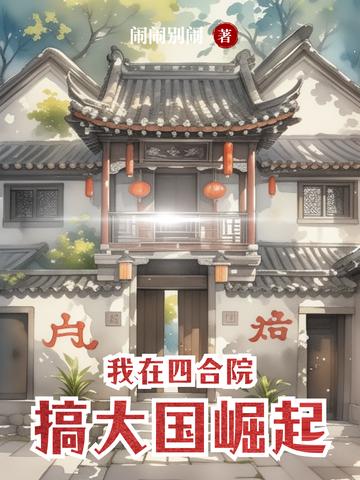 Rising to Make My Nation Great in the Siheyuan
 So Much Fun in Showbiz
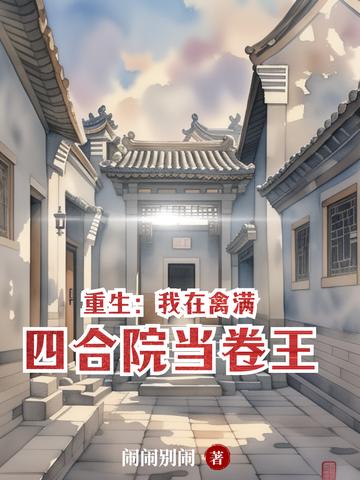 Reborn: I’m the Ultimate Overachiever in a Courtyard Full of Troublemakers
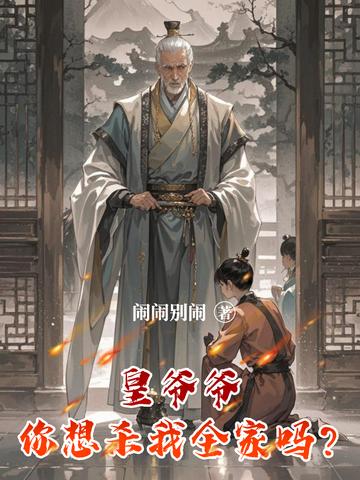 Grandfather Emperor, Are You Trying to Kill My Whole Family?
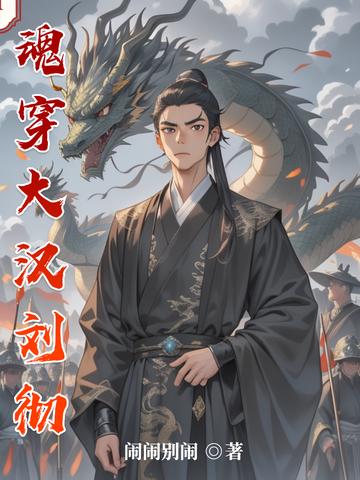 My Soul Transmigrates into Liu Che of the Han Dynasty
 Hey, Officer, Guess Who I Am!