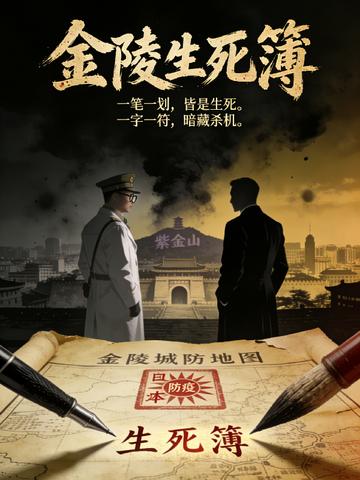
Introduction to The Nanjing Book of Life and Death
The Nanjing Book of Life and Death is a gritty espionage novel set in the occupied regions of Central China from 1940 to 1942. It focuses on the Imperial Japanese Army's Unit 1644 and its plot to wage germ warfare, telling a story of devotion to country and family and deadly struggles in an age of covert conflict.
In the spring of 1940, Communist agent Chen Mo, code-named “Medicine King,” infiltrates Nanjing under the cover of practicing traditional Chinese medicine. He is tasked with forming the “Poison Thorn” team and investigating the truth behind the Japanese army's “Epidemic Prevention and Water Supply Department” and its biological weapons, while avenging his elder brother, who was murdered by Unit 731. Fighting alongside his fiancée Su Ning, code-named “White Kite,” he joins forces with Japanese Communist Party member Ishikawa Ken and quarry agent Zhao Tiezhu to maneuver through Nanjing, a city crawling with enemies.
The story unfolds through high-stakes episodes involving secret orders, undercover work at a clinic, messages hidden in piano music, and a nighttime raid in the rain. Drawing on his medical skills and ingenuity, Chen Mo navigates between Wang Jingwei's puppet-government spies, the Japanese Special Higher Police, and the military intelligence service. He gradually uncovers Unit 1644's shocking plan to cultivate deadly bacteria, including plague, cholera, and anthrax, and prepare an airdrop under the “Cherry Blossom Plan.” Military intelligence agent Shen Xiaotian leads the “Break the Miasma” action team. At first wary of each other, his team and the “Poison Thorn” team eventually join forces in secret to combat the Japanese germ-warfare plot.
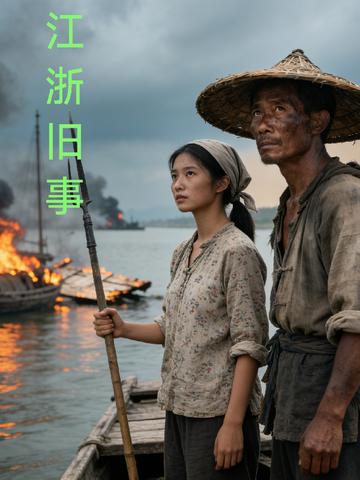
From covert clashes in Nanjing to a daring raid on the bacterial weapons base in Wuxi, and then to the disease-prevention battle in Chongshan Village in eastern Zhejiang, Chen Mo and his comrades wield silver needles as blades, prescriptions as shields, and intelligence as spears. Trapped in the deadly snare of the Japanese army's “Autumn Frost Operation,” they protect their fellow countrymen with their own flesh and blood, risk their lives to collect irrefutable evidence of germ warfare, and bring Japanese crimes to light.
The work combines the tense suspense of espionage with history

Lots of rainbows