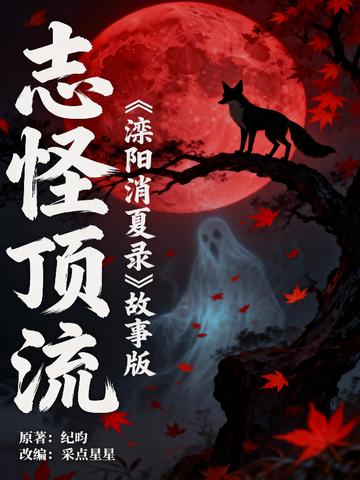
Yun Yun's "Notes on the Thatched Cottage" is the pinnacle of the Qing Dynasty's classical Chinese literature. It not only nourishes people's hearts with the core of "encouraging good and punishing evil", but also leaves unlimited space for readers' imagination with words that are "simple but comprehensive, light and interesting". This book is adapted from the plot of the first volume of "Luanyang Summertime" in "Yuewei Cottage Notes". It follows the story line of Ji Yun's original work. On the basis of retaining the core ideas of "karma, reincarnation" and "good and evil are rewarded", it injects suspenseful narrative and detailed description from a modern perspective. Each story extends the spine-chilling plot tension within the framework of historical materials.
Different from the drama adaptations on the market, this book not only restores the folk customs and moral concepts of Qing Dynasty society, but also makes the strange stories from a hundred years ago full of horror and interest through delicate environmental rendering and psychological portrayal. When the moonlight penetrates the window lattice of the thatched cottage, those strange stories about foxes and ghosts and strange events in the world that have been forgotten by official history are asking modern readers with a new narrative rhythm: What is the real "cause and effect" on the boundary between rationality and superstition? Turning the pages of the book, you will understand the aesthetics of Eastern legends and monsters that are colder than "Liao Zhai" and more poignant than "Taiping Guangji" through the collision of Ji Xiaolan's writing and contemporary suspense writing techniques.