In the silence of the night, Lin Wu discovered that the shadows of his neighbors had separated from their real bodies and were kneeling silently under his window. Regular nightmares were replaced by more concrete horrors: the refrigerator at home "generated" a diary on time every morning. The handwriting is his, recording "his" interactions with strange shadows, drinking spoiled "milk", and the warning that "the mirror is stealing time."
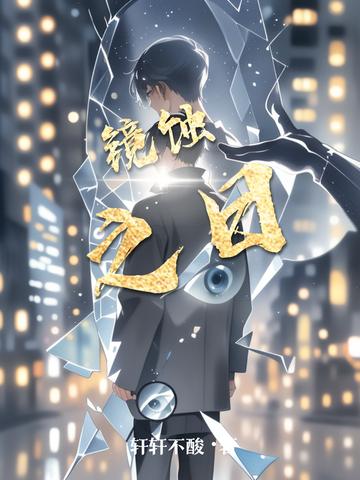
At first he thought it was a breakdown or a prank, until he saw a smile in the mirror that he hadn't made. In the shattered lenses, more of the frozen "him" stood behind him, with the corners of his mouth evenly curved. Immediately afterwards, he discovered that there were "disruptions" in the familiar world: supermarket product labels were changed overnight, colleagues mentioned conversations that he had no memory of, and his own image in mobile phone photos occasionally slowed down by half a beat.
Lin Wu was forced to believe the warning in the diary. He smashed all reflective objects in his house and covered all possible surfaces with cloth. However, erosion is everywhere. Reflections in puddles, reflections in store windows, and even myself in other people's pupils began to appear slightly strange. Those "reflections" seem to be slowly learning, imitating,... And replacing.
What made him even more suffocated was that a new diary revealed: "The worship of shadows is not awe, they are feeding the things behind you." And on the last page of the earliest diary, a faded second line of writing appeared: "When you can't tell which side is in the mirror, eating the written ending is the only way to survive."
What is the "ending"? Who wrote it? And why should we "eat" it?
Lin Wu must follow the self-contradiction before his self-perception completely collapses and before countless "reflections" completely penetrate reality.
A very good book, I like it very much