In 230 AD, the border between Qin and South Korea. In the valley where the gunpowder smoke had not yet dissipated, Long Yekun looked at the Type 95 automatic rifle with all the bullets in his hand, and then at the dark ancient army in the distance holding bronze spears, as well as the nine comrades around him who were also at a loss. He took a deep breath and tore off the broken modern military uniform epaulettes.
"Remember, from now on, we have no origin. But we want this era to remember what we brought."
They don't know that they are carrying a bunch of fire from the future and are about to plunge into a crater called "Da Qin" that is about to erupt, dance with it, or completely change it.
Reader comments
When reading "The Age of Iron and Blood", the most shocking thing is not the flash of swords on the battlefield, but the author's grim attitude towards "disenchantment" of history. There is no impassioned heroic narrative in the book, only the bloody rules of survival under the meat grinder of power. The cruelty of war is broken down into countless details: the unclaimed cloth shoe at the end of the alley after the city fell, the absurdly accurate calculation of human lives in the military camp account book.
It turns out that the background of history has never been justice or ideals, but an almost paranoid desire for order. Those figures that have been mentioned lightly in history books are restored in this book to flesh and blood capable of fear and pain. The author's compassion for individuals is precisely the most powerful disenchantment of grand narratives - behind every inch of territorial expansion, there is a group of nameless people who are trapped by fate.
It is like a cold mirror, reflecting the lice under the robe of civilization, and also the terrifying and tenacious vitality of human beings in desperate situations.
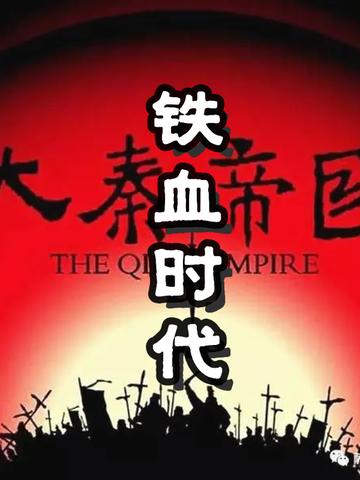
When reading "The Age of Iron and Blood", the most shocking thing is not the flash of swords on the battlefield, but the author's grim attitude towards "disenchantment" of history. There is no impassioned heroic narrative in the book, only the bloody rules of survival under the meat grinder of power. The cruelty of war is broken down into countless details: the unclaimed cloth shoe at the end of the alley after the city fell, the absurdly accurate calculation of human lives in the military camp account book. It turns out that the background of history has never been justice or ideals, but an almost paranoid desire for order. Those figures that have been mentioned lightly in history books are restored in this book to flesh and blood capable of fear and pain. The author's compassion for individuals is precisely the most powerful disenchantment of grand narratives - behind every inch of territorial expansion, there is a group of nameless people who are trapped by fate. It is like a cold mirror, reflecting the lice under the robe of civilization, and also the terrifying and tenacious vitality of human beings in desperate situations.