This story is purely fictitious and any similarity is purely coincidental!
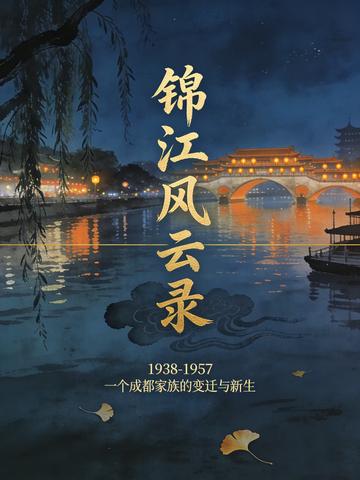
Autumn 1938, Shenyang. A Shu embroidery transaction that was originally the glory of the family ended in blood - his father Liu Mingyuan was killed by the Japanese army while transporting the handed down work "Jintang Spring", and the treasures were stolen. The Liu family on the banks of the Jinjiang River has since fallen into darkness.
Brother Liu Zhigang was determined to take revenge and secretly joined the Sichuan-Kang guerrillas. In the summer of 1942, he escorted supplies to Wuhan and died to protect his companion Wu Xiaopeng. In order to "make happiness", Liu Xiuwen was forced into a cold marriage and fell into the darkest abyss of life. Until she lived on the beach in Shanghai and even threw herself into the river. At the moment of despair, she was guided by a pair of firm hands - that was Chen Agen, an Eighth Route Army investigator.
From the secret radio station in Shanghai to the field hospital in Yimeng Mountain, from the smoke of Huaihai and the liberation of Shanghai to the ruins of returning to Chengdu, a woman's personal history of suffering merges into a nation's salvation plan. Her hand holding the scalpel has embroidered brocade; the life she protects is rebuilding the mountains and rivers.
On National Day in 1957, when the good news of the completion of the "First Five-Year Plan" resounded in Tianfu Square, Liu Xiuwen and Chen Agen stood side by side. The blood-stained "Peony of Fortune" handkerchief, the brand-new construction certificate, and the Shu embroidery symbolizing rebirth are quietly juxtaposed - they respectively tell the story of plunder, sacrifice and rebirth.
This is a river flowing from dark red blood to golden morning light. It is also a magnificent picture of a family, and even a nation, going through hardships, pursuing light, and building a new life together in the great changes of the times.