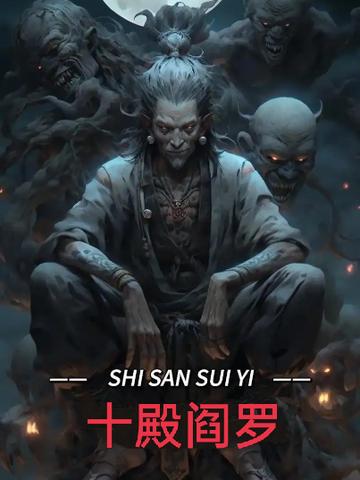
The Ten Halls of Yama is a system of overlords of the underworld that is a fusion of Chinese folk Taoism and Buddhism. It consists of ten Yama kings with different responsibilities in the underworld. Each of them is responsible for the judgment of the underworld, reincarnation and other duties. They govern the life, death, misfortunes, blessings, and consequences of sins of all living beings in the underworld. They are the core rulers of the underworld.
The first palace, King Guang of Qin, controls the life and death of Shou Yao, and initially sentences the dead souls; the second palace, King Chu Jiang, punishes evildoers during their lifetimes to the Ice Prison; the third palace, the Emperor of the Song Dynasty, governs the Black Rope Prison, punishing disobedient and treacherous people; the fourth palace, the king of five sense organs combines the Great Hell, punishing those who are corrupt, bribery and fraud; the fifth palace, King Yama, is the core, presiding over major crimes and can reverse the case and change the sentence; King Bian Cheng of the seven palaces governs the City of Wasted Death, punishing those who complain and commit suicide; King Taishan of the seven palaces controls the prison of heat and anger, punishing those who rob tombs and murders; King Si of the eight palaces controls the prison, punishing those who are unfilial and instigating lawsuits; King Ping of the nine palaces governs Abi Prison, punishing those who commit evil and evil cults; King Zhuan of the ten palaces controls the reincarnation of the six realms, reborn in various realms according to their sins.
The ten palaces of Yama each perform their own duties and are hierarchical, forming a complete system of underworld judgment and reincarnation in popular perception, and also reflecting the world's concepts of reward and punishment for good and evil.