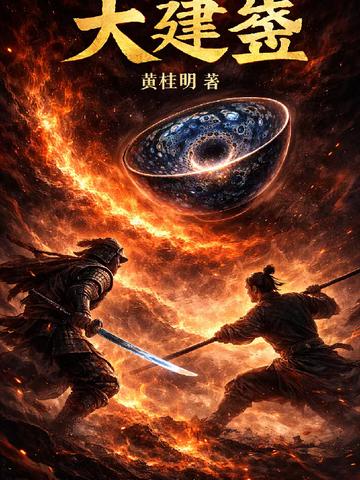
"The Great Jianzhan" is based on the forty years from the first year of Duanping of the Southern Song Dynasty to the fall of the Southern Song Dynasty. It tells a passionate story surrounding the inheritance of jianzhan skills and the protection of national treasures. The novel presents four major highlights: First, intangible cultural heritage + real background , an immersive touch with the rhyme of the Song Dynasty: The author has lived in the birthplace of Jianzhan for more than thirty years. Combining the creation of historical documents, he meticulously restores the complete skills of selecting materials, making blanks, glazing and firing, as well as the social style of "tea fighting" that was prevalent in the Song Dynasty. Let readers understand in the story why Jianzhan, known as the "black pearl of the porcelain altar", became a national treasure cherished by Emperor Huizong of the Song Dynasty and sought after by literati. The second is a story about protecting treasures in troubled times + passionate conflict, with a compact and non-delayed rhythm: against the background of the broken mountains and rivers in the late Southern Song Dynasty, it focuses on the triple crises faced by lamp-making craftsmen who face exploitation by kiln supervisors, Japanese businessmen who compete for their skills, and kiln bosses who oppress them. The battle of wits and courage is intertwined with the fight to the death, and some craftsmen even fight with their lives. The plot is full of tension and makes it a hearty read. The third is the spirit of craftsmen + national justice, which strikes a spiritual chord: through the perseverance of two generations of kiln owners' families, the extraordinary integrity of a group of ordinary craftsmen is depicted - they take the kiln as their root, their skills as their soul, and spend their entire lives guarding the national art treasures. In the choice of personal survival and cultural inheritance, a touching and evocative spiritual epic of the Chinese people was written. The fourth is niche themes + grand narrative, with both uniqueness and structure: breaking out of the common historical novel framework, taking Jianzhan, a niche intangible cultural heritage, as the entry point to connect the changes of the times in the forty years of the Southern Song Dynasty. Small cuts reveal big history, which not only shows the rise and fall of the lamp-making industry, but also reflects the feelings of family and country in troubled times. The subject matter is fresh and the pattern is broad.