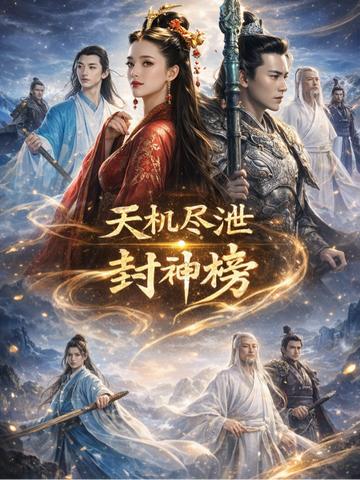
This is the pinnacle of ancient Chinese literature on gods and demons. Its grand world structure, complex system of gods and humans, and profound spiritual connotations are enough to stand alongside Western epics. Since its advent in the Ming Dynasty, it has been spread for hundreds of years, deeply rooted in the people, and has almost become a part of the common memory of traditional culture. The work takes the historical changes of the Shang and Zhou dynasties as the background, and connects many levels of gods, demons, humans, demons, Buddhas and Taoists. It integrates the rise and fall of dynasties, wars and killings, loyalty and good and evil, karma and destiny. During this period, both poetry, song, and character description are equally emphasized, and the mountains, rivers, geography, and humanistic inheritance are in harmony, forming a long cultural scroll with both epic and mythical color. However, in addition to popular legends, its true value lies in its deeper meaning: the virtue and justice embodied in the Tang-Wu Revolution, the internal logic of the destruction of tyranny, the concept of order in which gods, humans, and monsters follow their own order, the motivations and costs of choices of all living beings when the old and the new change, and the law of cause and effect, in which nature and man understand each other and good and evil are rewarded, are all presented in the book. What is particularly important is that it reveals in the form of fables and myths how individuals can stand between good and evil in the face of great changes and disasters. These experiences across time and space are the references and lessons for future generations. Today, I re-examine this book from the perspective of spiritual practice and culture, not just to relive the legend, but in an era of confusion and change, to use the past to observe the present, to reflect on myself, to distinguish between good and evil, and to find out from the enlightenment of history.