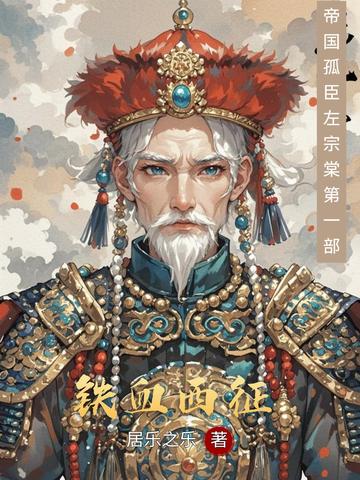
Carrying a coffin covers thousands of miles of mountains and rivers.
He is the last lone figure in the empire's twilight years, playing a fatal game in a decadent chess game.
Core story
In the late Qing Dynasty, internal and external troubles arose, and the court was torn between "coastal defense" and "fortress defense." Zuo Zongtang fought against all opinions and advocated the recovery of Xinjiang, but he only got an empty name - he had to raise his own food and salary, and he was responsible for his life and death.
Over sixty years old, he carried a coffin and went into battle. Using the strategy of "slowly advancing and rushing to fight", he crossed thousands of miles of yellow sand, fought bloody battles with powerful enemies, and regained the broken territory inch by inch.
However, what is more dangerous than the battlefield is the human heart. The day of success is also the beginning of suspicion. When he finally took back the mountains and rivers, he found that he had been trapped in another silent war - great achievements shocked the master, but the birds were wiped out and the bows were hidden.
Three major highlights
Hard-core history: From strategic debate, logistics and payment to actual combat, it shows a real expedition with "no golden fingers".
The game of human nature: Zuo Zongtang's stubbornness, Li Hongzhang's pragmatism, and Cixi's power tactics all collided fiercely in the endgame of the empire.
A tragic question: When ideals encounter a corrupt system, how much is personal loyalty and perseverance worth?
Reading experience
It's like facing the battlefield with blood and fire, like being trapped in a court with undercurrents, like seeing a hero facing a lonely map, struggling to move forward between mission and destiny.
This is an epic about perseverance, sacrifice and cost.
The Iron-Blooded Western Expedition begins here.