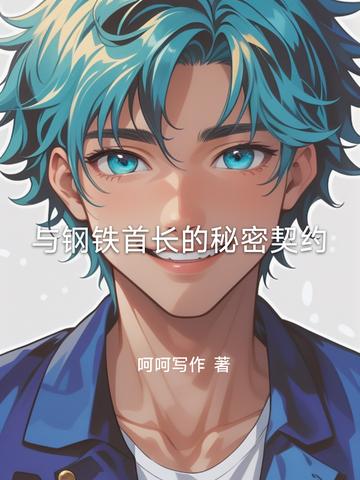
In 1985, I signed a marriage agreement with Lu Zhanye, the director of cold dough.
He needed a wife who wouldn't get into trouble to deal with the organization, and I needed a military cover to find my missing father. We agreed: we are not in the same room, we will not interfere, we will cooperate in acting when necessary, and we can get together and part ways when the time is right.
Everyone thought this was another typical military marriage that sacrificed personal happiness - a gentle and obedient wife, a serious and rigid husband, treating each other as if they were guests.
Until on a rainy night, he climbed through the window covered in blood, holding top-secret documents from my father's laboratory in his hand. Cleaning the gun, he showed his true expression for the first time: "Dr. Lin, it seems that our agreement needs to add some content."
He didn't know that my gentle eyes contained sporadic memories from the future, and those medical suggestions that "happened to be" advanced were all my bargaining chips to pave the way for my father.
I didn't know that he always had another report in his trouser pocket - at the end of the marriage application submitted to the organization, he personally added "I will never regret it in this life".
When the enemy agent's gun was pointed at me, when the organization's review fell on him, we had a showdown in the study late at night:
"I am the Dark Blade of the Great Wall Project, and your father is the key person."
"I have future memories. The 'Morning Star' you are tracking will trigger a technological revolution three years later."
Two people with secrets, from contractual couples to revolutionary comrades, perform an evenly matched anti-routine love in a military camp in the 1980s - not who saves the other, but looking in the same direction side by side.
This military marriage that started as a lie ended up becoming our truest revolutionary oath.