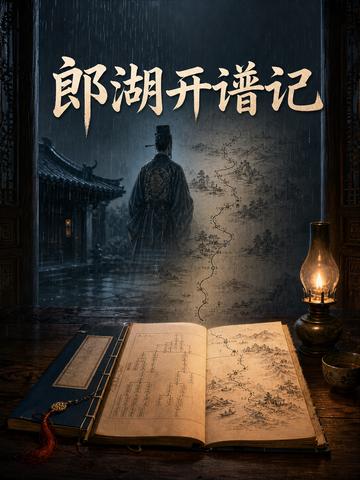
In the winter of 1997, the Zhao family of Langhu opened its music library. A name that was washed away by water and a sentence of "where to go and be visited" caused the genealogy compiler to receive a letter from Guangdong: a seventy-nine-year-old man just wanted to ask before he died whether his room had a place of origin.
Thousands of years ago, Zhao Tingmei was one of the clans closest to the throne, but was expelled from Kaifeng in the turmoil of brother succession. The imperial court rewritten his title and children's titles, while his wife Zhang split the family's names into three family records.
After a family falls from the royal palace to the common people, who is written down in the official history, who is left in the family tree, and who loses his name during the migration? The descendants of Langhu traced the missing pages, tablets and different names, but they had to make a choice between "let people return to their ancestors" and "not create a lineage for their ancestors".
Some names have been waiting for thousands of years, not to be completed, but to be left as they are.