They are not protecting their ancestors. They are protecting a prison.
They are not burying the dead. They are burying hope.
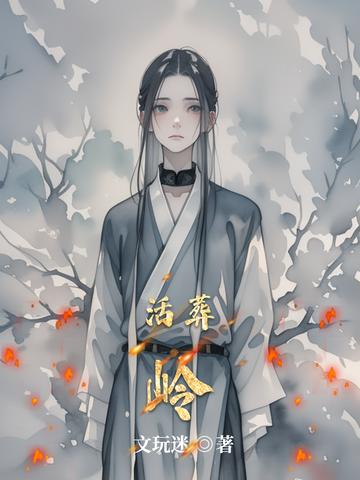
Zhou Yuanshan, a professor of folklore, receives an anonymous package: a medical diary from 1923 and a yellowed photograph. The mountain village in the picture is exactly like the “Tombkeeper Village” he is about to visit for research.
Deep in the mountains, time seems frozen in the Republican era
The villagers wear old-fashioned clothes and avoid talking about the outside world. Every month, they perform a bizarre Nuo ritual of live burial.
Seven days after being buried, the victim returns from the forbidden grounds, with the blue birthmark on their shoulder a little darker.
The ancestral shrine's tablets bear no names, only identical birth and death dates.
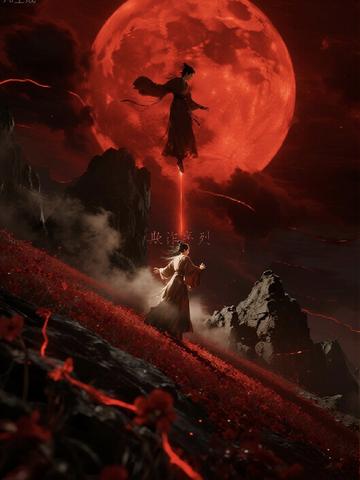
The diary's author, Shen Huaijin, was a young doctor a hundred years ago. On the night of a blood moon, he witnessed the truth:
“There are no corpses in the coffins, no bones in the graves. The living are dead, and the dead have returned.”
As the investigation deepens, Zhou Yuanshan discovers:
His DNA matches Shen Huaijin's;
The entire village is an intricate ritual array made of living people;
Every villager is both prisoner and jailer;
And the so-called “live burial” is a cruel bargain that has gone on for six hundred years.
When the blood moon of the century-long cycle rises once more,
seven lives are about to be sacrificed,
and the lament of tens of thousands of souls rises from deep underground
Zhou Yuanshan must choose:
Will he become the next Shen Huaijin, sacrificing himself to perpetuate the curse?
Or will he uncover the truth behind the pact and set free the suffering that has been imprisoned for six centuries?
This time, will the living be buried alive, or will history itself?