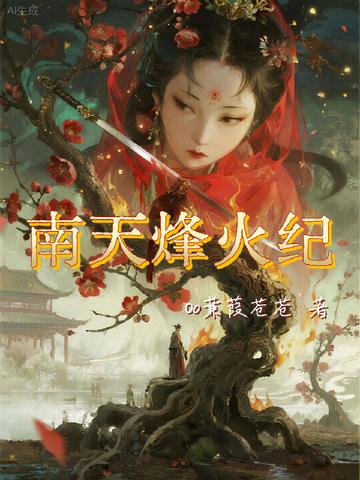
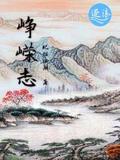
As the Ming dynasty falls, Qing cavalry rides south. Xue Lingyi, a daughter of the Xue family in Wuxi, loses her betrothed to the cause before they can wed. The ink on their marriage contract is barely dry when a memorial arch honoring her chastity is quietly erected. She swallows a jade ring to end her life, but the spirit of the century-old plum tree in the courtyard, Li Zhen, stops her. He tells her, “Your time to bloom has not yet come.”
From then on, Xue Lingyi is trapped in three overlapping snares. Outside, loyalists of the fallen dynasty hail her as a “lone beacon” of integrity, while powerful figures in the new regime hold her up as a “model” for moral instruction. Within her family, her parents struggle between loyalty and survival, seeing her as both their most precious bargaining chip and their heaviest burden. At the heart of it all lies a thousand-year-old debate over the classics: whether a chaste woman’s conduct conforms to proper rites. Her living body becomes a cold battleground of ideas.
In the narrow space between life and death, Li Zhen lets her glimpse the sighs and faint glimmers of women from every age, erased by the brush of history. She begins to wake from her stupor and unearths a manuscript buried beneath the plum tree, filled with her true thoughts. When her father accepts a new marriage proposal on her behalf, and rival forces try to raise her onto an altar, she speaks for the first time amid a flurry of plum blossoms, softly but firmly: “I will not marry.”
This is not a story about preserving chastity, but a legend about breaking free from it. Watch Xue Lingyi weather one storm of the soul after another and escape the fate written for her. From the ancient lament of “My heart is not a stone” in “Cypress Boat” from the Book of Songs, she finds the boat that belongs to her, and steers it alone between history’s sheer cliffs toward the vast, unknown sea called “selfhood.”
The Record of Cypress Boat: a soul-stirring song of courage and independence, played for the countless nameless.