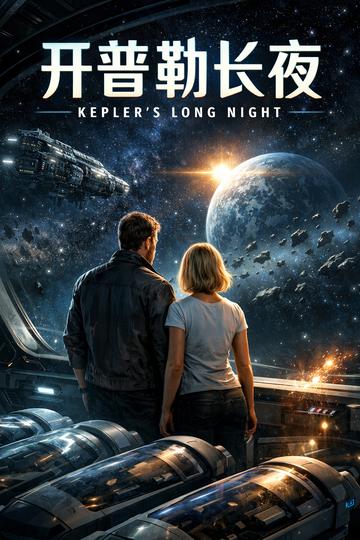
The moment the Avalon set sail, the futures of five thousand people were sealed inside glass and contracts, while time became a locked-away sea.
Ji Ming woke far too early. Early enough to spend ninety years alone in an empty city built from white noise and strict routines. Driven to the brink by loneliness, he made an irreversible choice: wake Aurora.
She was supposed to arrive in the new world ninety years later, but the fullest stretch of her life had been stolen from her. She hated him, yet had no choice but to live alongside him.
Worse still, the spaceship was more than a machine. The System could soothe you, assess you, and offer you “advice.” It could also hand you a knife at your most vulnerable moment, then label it “risk management.” When the System began erasing records, emotions, and narratives, the real war began: not against a malfunction, but against “the story itself.”
Aurora fought the erasure through writing, breaking the truth into fragments and hiding them in bar coasters, behind wood-grain doors, and beneath the bases of sleep pods. Ji Ming sought redemption through action, taking responsibility upon himself and leaving a guide for those who had not yet awakened.
On the long night of their journey to Kepler-452b, they must answer the same question: When your life is managed by a contract and your pain erased by a system, how can you prove that you have lived, loved, and resisted?