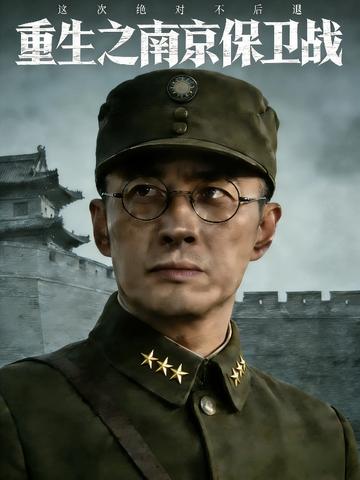
In August 1937, a soul from the future awakened in the body of Nanjing Garrison Commander Tang Shengzhi. He was burdened with the bloodiest memories of this city: defeat, massacre, and the conclusion in the history books that he "hastily abandoned the city."
This time, he chose a different path. This is not a simple change of destiny, but a tragic game against inevitable fate in a desperate situation. He tried to use the knowledge of future generations and the blood of martyrs to fight for a different ending for Nanjing.
However, the inertia of history is as heavy as iron. Difficulties such as lack of resources, lurking insiders, and hopeless reinforcements ensued. When the final telegram came, he faced the final choice.
"Rebirth: The Battle of Nanjing" is not only a magnificent military epic, but also a soul-searching about loyalty, courage and sacrifice. It is not about victory, but about the last light that human dignity can burst out in the darkness of knowing that nothing can be done.
Reader comments
At that time, Nanjing would not be able to win even if China and the world reviewed it later. The gap in equipment and economic strength is too big. But it left a tragic ending, which was already a happy ending. China's top general died, and even the top general of the world's anti-fascist war. He died defending the capital and persisted until the last moment to commit suicide by shooting himself. You can write down your follow-up reaction.
The plot is reasonable, at least not obtrusive. It doesn't make the Japanese at that time think of idiots, nor does it make today's readers think of fools.
The ending of the story is sad, but it shows a different ending.
Very few people write about works before 1940 because they all ended in failure.
This book deserves a closer look.
This is the real historical soul-traveling text. History is history, without over-exaggeration. It is much better than those cheat-finger system texts!
At that time, Nanjing would not be able to win even if China and the world reviewed it later. The gap in equipment and economic strength is too big. But it left a tragic ending, which was already a happy ending. China's top general died, and even the top general of the world's anti-fascist war. He died defending the capital and persisted until the last moment to commit suicide by shooting himself. You can write down your follow-up reaction.
The plot is reasonable, at least not obtrusive. It doesn't make the Japanese at that time think of idiots, nor does it make today's readers think of fools. The ending of the story is sad, but it shows a different ending. Very few people write about works before 1940 because they all ended in failure. This book deserves a closer look.
This is the real historical soul-traveling text. History is history, without over-exaggeration. It is much better than those cheat-finger system texts!
I can't read the next few chapters [crying]