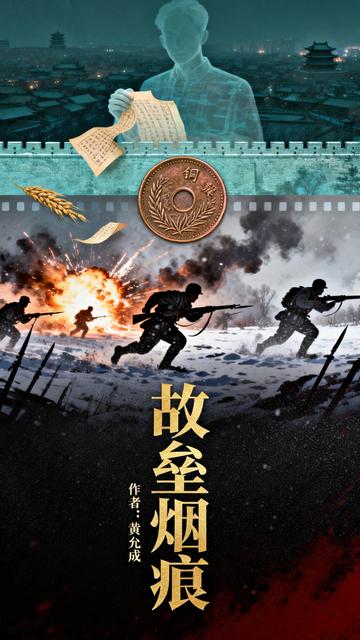
Using a copper coin with a rice ear pattern as a starting point, it connects a legend of a family and country that is at war with each other. Lin Yan, a restorer of anti-Japanese war documents, accidentally traveled to Fengtian in 1931, on the eve of the September 18th Incident, and became friends with Shen Qinghe, the daughter of a Northeastern Army officer, because of their anti-Japanese beliefs. The secret engravings on the copper coins hide clues to the underground communication network set up by Shen's father during his lifetime. The two followed the guidance of "The ears of rice reflect the stream" and connected the scattered anti-alliance strongholds and gathered patriots during the strict suppression of the Japanese army. They went through life and death tests such as ambush at Yingzui Cliff, defense of stone bridge, and sneak rescue in Shenyang.
From posting leaflets to awaken the people to raiding the Japanese strongholds side by side, Shen Qinghe lost his youth and grew up to be a stand-alone anti-Japanese warrior in the pain of losing his father; Lin Yan put aside the shackles of being a "bystander" and used future historical knowledge to help fight. The affection between the two grew up in blood and fire, intertwined with the life-and-death friendship between comrades-in-arms. With copper coins as their faith and rice ears as their aspirations, they not only want to smash the Japanese army's "scorched earth policy" and reinforcement plan, but also inherit the perseverance of their ancestors, and finally join hands with the anti-alliance forces from all over the country to regain Shenyang and sow the hope of peace on the ruins.
With "inheritance" as its core, the novel not only depicts the cruelty and tragedy of the Anti-Japanese War, but also writes about the growth and choices of individuals in troubled times. The rice ear pattern carries not only connection clues, but also the indomitable spiritual fire of the Chinese nation and its deep desire for a peaceful life.