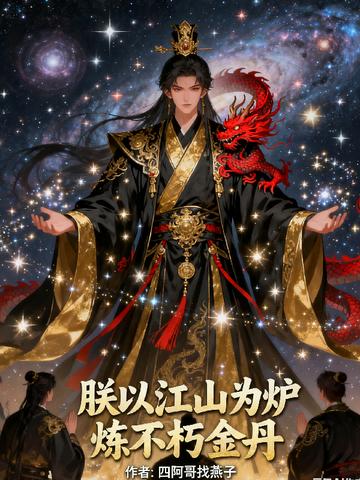
The Great Dao is merciless, and nothing is colder than an emperor's heart. The pill flame burns hot, but nothing is hotter than the blood of the people.
A modern strategist killed in a plane crash transmigrates into the body of Zhu Houcong, the Jiajing Emperor of the Ming Dynasty. When he opens his eyes, he sees not the dying dynasty from history books, but a high-martial Ming where spiritual qi has revived. The nation's fortunes appear as golden dragon qi, popular resentment congeals into black miasma, court politics become battles over destiny, and border wars pit magical arts against one another.
But Zhu Houcong discovers that he has inherited more than the throne. He has also received a forbidden legacy, the Imperial Pole Golden Elixir Great Dao: using his body as the furnace, the nation as fuel, and its fortunes as fire, he can refine an immortal golden pill.
Thus he becomes history's most contradictory “tyrant alchemist”:
· He lets Yan Song's clique wreak havoc at court, all to gather the “tainted qi of corruption” as a “turbid ingredient” for his pills.
· He indulges the White Lotus Sect as it beguiles the people, all to refine “the power of faith” into pill flame.
· He watches Mongol cavalry approach the walls of Beijing, all to draw out the sharpest “martial killing energy” from the Ming's national fortune.
The entire court is “raw material”: Yan Song is “turbid medicine” in need of purification; Hai Rui is a “mind-tempering mirror” that hones the Daoist heart; Qi Jiguang is the “martial flame” of a master smith; and Zhang Juzheng is the “revolutionary destiny” that determines the grade of the pill.
As Zhu Houcong sits atop the Forbidden City, a golden pill revolving above his head and the map of his empire slowly unfurling beneath his feet, he faces the ultimate choice:
· The merciless path of alchemy: kill Zhang Juzheng, seize the destiny of his reforms, and ascend after nine turns at once, leaving behind a Ming that will rapidly decline.
· The path of the sage king: protect Zhang Juzheng as he completes his reforms and wait thirty years for the nation's fortunes to transform, though he may miss his chance to ascend.
·
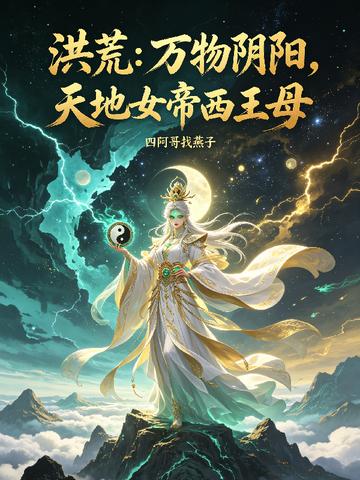 Honghuang: Yin and Yang of All Things, the Queen Mother of the West, Empress of Heaven and Earth
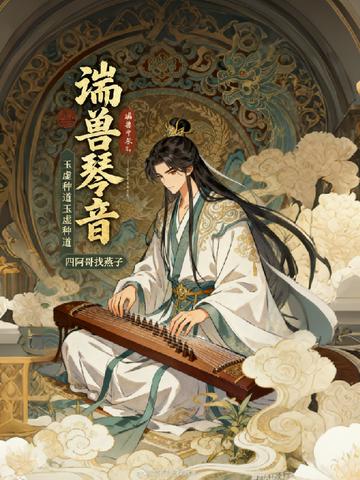 Honghuang: Auspicious Beasts, Zither Music, and Dao Seeds in Yuxu
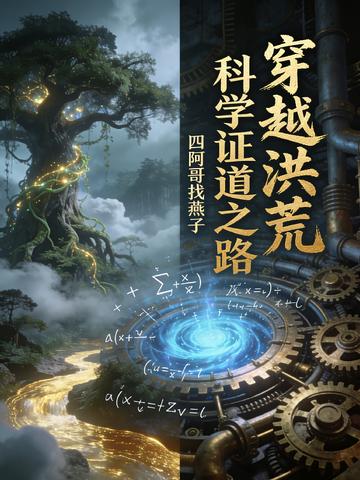 Transmigrating to Honghuang: The Path to Proving the Dao Through Science
 Honghuang: I Transmigrated as Fuxi and Helped Nuwa Transcend
 Honghuang: I, Yuanfeng, Wield the Power of Nirvana
 Honghuang: I Became the Sword Ancestor by Eating and Drinking
What's the original name of this book? It's very interesting.