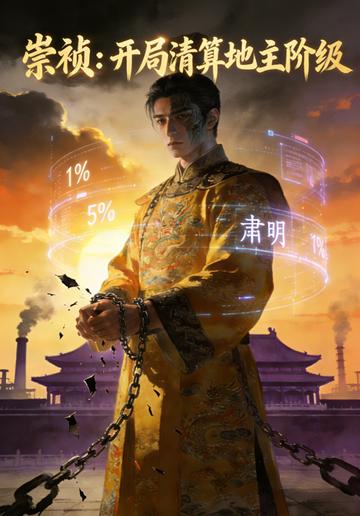
With the system in hand, he carried out an institutional operation that spanned the ages:
Use financial means such as salt tax bidding and war bonds to solve the dead situation of empty national treasury;
Use the flintlock phalanx and modern staff system to defeat the Eight Banners cavalry head-on;
The implementation of "land restriction orders" and land replacement have touched upon chronic land diseases that have existed for thousands of years;
He established the Advisory Council, promulgated the draft constitution, and personally put the shackles on absolute imperial power.
However, every reform triggered a landslide and tsunami-like backlash. The noble group plotted a counterattack, and the scholar-bureaucrat class denounced "violating the ancestral system". Even his most trusted general knelt down and admonished: "Your Majesty, this is not the way of an emperor!"
The bigger contradiction lies in the heart: How can a modern soul who believes in equality and the rule of law play the role of the supreme ruler of an autocratic empire? When he was determined to push the Ming Dynasty towards the unknown path of constitutional monarchy against all opinions, even the beloved Queen Zhou asked in a trembling voice: "Husband, do you want to save the Ming Dynasty, or prepare a decent funeral for her?"
This is a showdown with an entire era. See how modern thinking can reduce dimensions and combat ancient stubborn diseases, and see how a lonely reformer bows down at the pinnacle of imperial power to ignite a glimmer of light leading to the future for himself and this ancient civilization.