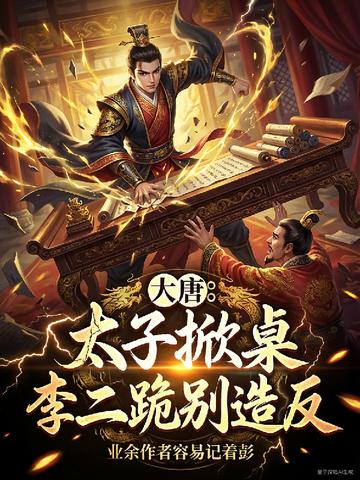
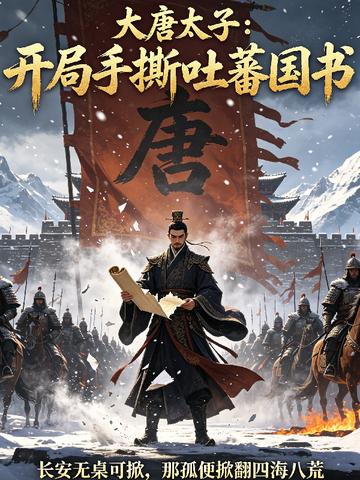
Li Chengqian, the protagonist, brings with him the institutional coldness and efficiency-first mindset of a modern soul, sparking controversy. As he pushes through new policies and ruthlessly crushes the interests of those who already hold power, even upright officials like Wei Zheng challenge him: “Your Highness’s laws may be good, but your heart is cruel.”
Li Shimin is the soul of the supporting cast. His feelings progress with care from anger to scrutiny, exploitation, dependence, pride, and finally letting go. During the “father-son joint rule” in Part Two, he could secretly clear obstacles for his son that would never make it into the history books, such as dealing with the most extreme opponents, revealing a silent father’s love.
Li Tai is a jealous antagonist, a “fanatical devotee of aesthetics.” He covets power not only for the throne, but because he believes the protagonist’s “ingenious contraptions” and utilitarian approach to governance are destroying the classical aesthetics of the golden age. His defeat marks the tragic retreat of one era’s ideals of beauty before another, giving his downfall greater pathos.
Empress Zhangsun is a crucial “emotional glue” and “political buffer.” After the protagonist saves her from illness with modern medicine, she becomes the person who understands and supports her son most, and a key influence in softening Li Shimin’s attitude.
This novel is the best one I have written so far.