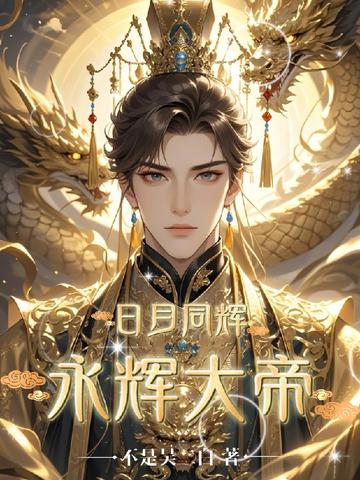
These are the best of times, and the most dangerous of times.
In the eleventh year of Yonghui, the Ming Empire stands at the height of its power. The young Yonghui Emperor, Zhu Xiongying, rules over countless subjects, with envoys from every nation coming to pay tribute. Yet beneath this age of prosperity, turbulent undercurrents surge:
In Beiping, the Prince of Yan’s heir “dies suddenly.” His younger brother, Zhu Gao Xu, takes control of 200,000 frontier troops, eyeing the throne hungrily.
Within the Forbidden City, princes are attacked one after another. Witchcraft dolls appear deep in the palace, and the trail leads to someone close to the Dragon Throne.
Across the vast seas, Portuguese warships bombard Malacca. For the first time, Western powers train their cannons on the East.
At court, newly risen men from humble backgrounds, founding nobles, and the gentry of Jiangnan divide the realm between them. A factional struggle could erupt at any moment.
Zhu Xiongying runs his fingers over the bloodstained edict on his desk, the path to the throne his grandfather, Zhu Yuanzhang, paved with his life. He knows that conquering an empire is hard, but keeping it is harder. And what he must preserve is not only the Zhu family’s dynasty, but a world soon to be utterly transformed by the Industrial Revolution, colonial expansion, and ideological upheaval.
“Grandfather, you said an emperor must have no heart.” Standing atop the Hall of Supreme Harmony, he looks down over the city that is his. “But I will prove that only a man with a heart can protect this land.”
This is a war without gunpowder. The enemies are time, the human heart, and the tide of history. And he intends to win.