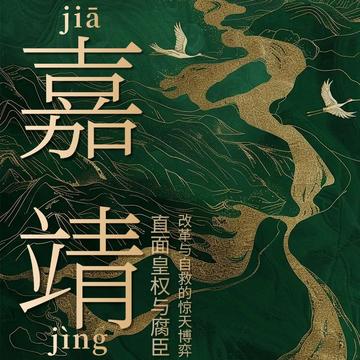
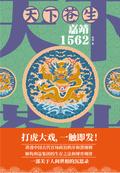
This book focuses on the reign of the Jiajing Emperor Zhu Houcong of the Ming dynasty (1521–1566).
Using time as its thread and major events and key figures as its framework, it examines in depth the political upheavals and changes of the age during Jiajing’s forty-five-year reign.
The story opens with the famous Great Rites Controversy, detailing how the young emperor Zhu Houcong won a political struggle that lasted several years, defeating the old court faction led by Yang Tinghe and establishing the foundations of his absolute imperial authority.
The book then depicts the Jiajing Emperor’s early efforts to govern diligently, including a series of measures known as the “Jiajing New Policies”: reforming official administration, implementing reforms, building waterworks, and strengthening border defenses.
In the middle and later years of his reign, however, the Jiajing Emperor gradually became absorbed in Taoist rituals and the pursuit of immortality, neglecting state affairs. The book devotes considerable space to how Yan Song and his son exploited this trait to reach the pinnacle of power and dominate the government for twenty years. It also brings to life the fierce struggles within the cabinet, including the power contest with Xia Yan, major border crises such as the Gengxu Incident, and the devastating pirate raids in the southeast. In the end, Xu Jie’s patient plotting brought down Yan Song’s faction, but the dynasty’s problems had already become too deep-rooted to resolve.
The book concludes with the tragic act of Hai Rui, who risked death to submit his Memorial on Public Security, and the Jiajing Emperor’s stubborn final days, revealing the roots of the dynasty’s systemic crisis.
Meticulously narrated and rich in historical sources, the book vividly portrays the Jiajing Emperor’s many sides and complex character, while also presenting the life stories of distinguished officials such as Zhang Cong, Xia Yan, Yan Song, Xu Jie, Qi Jiguang, and Hai Rui. It is a comprehensive account of the Jiajing reign and a compelling exploration of the Ming dynasty’s decline from its peak.