My name is Chen Qinghe. I was a graduate about to make a life for myself in the big city, but my mother's serious illness forced me back to my dying hometown, Huaiyin Village.
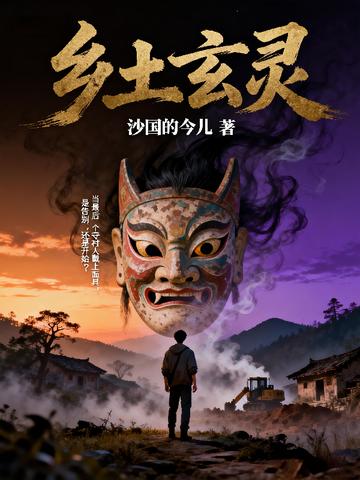
I thought I would be facing poverty and partings, until that night: my mother's thin fingers trembled as she pointed out the window. An old man in an outdated jacket, with no shadow, was squatting by the wall and smoking a long-stemmed pipe. Later, in a dirt hollow on the mountain behind the village, I found Grandpa's straw effigy, clutching a mottled Nuo opera mask in its hands. The moment I touched it, memories of Grandpa's life as the “village guardian,” mixed with the shrieks of mountain spirits and ghosts, forced their way into my mind.
I had no choice but to inherit the title. Here, “cultivation” doesn't mean ascending to immortality. It means learning how to negotiate with the old locust tree spirit wandering at the village entrance, guiding the lost souls of “wandering family children” in the middle of the night, and using ancient Nuo dances to soothe the mountain god angered by road construction. Power comes from incense offerings, land pacts, and rules passed down through generations. But the village is crumbling under the tide of modernization. The villagers are scattering, and the barrier is weakening. Developers have severed the mountain's roots, black hair is seeping from an abandoned well, and ancestral spirits in the shrine sigh over family feuds.
My task is to put on the ceremonial costume and dance one last time amid the roar of bulldozers, for this land that raised me and is now on the verge of vanishing. I want to know: when the last person who remembers the rituals is gone, will those “old things” devour everything first, or can I find an end to this century-long vigil?