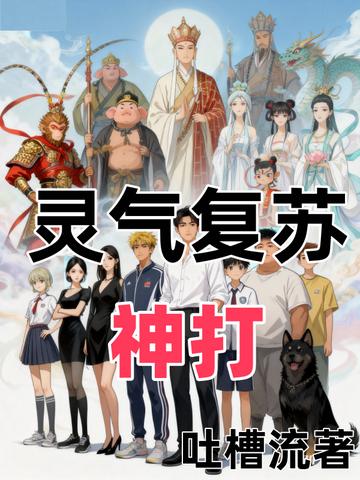
In the age of the end of the Dharma, it is not easy to practice. If you are poor, you will change, and if you change, you will be successful, so a group of practitioners who ask gods to fight with this method appeared. As a result, many old statues have increased in value infinitely, and the protagonist's family happens to have old objects left by his grandfather, including nine characters from Journey to the West: Sun Wukong, Zhu Bajie, Tang Monk, Monk Sha, Little White Dragon, Nezha, Erlang Shen, Roaring Dog, and Chang'e.
These statues are the most precious inheritance left to Li Erlang by his late grandfather. Grandpa is a well-known carpenter in his hometown, with superb craftsmanship, and what is even more rare is his pious belief in Buddhism. When Li Erlang was a child, he was obsessed with Journey to the West and pestered his grandfather to buy toys. His grandfather couldn't afford those expensive plastic figures, so he looked for an opportunity to get a piece of fine ebony wood from the beam of a dilapidated temple that was about to be demolished. It took him a whole year, with his unique skills and the piety in his heart, to carve out these nine statues of gods one by one. They were so lifelike that even the lines on Sun Wukong's armor and the fluttering of Chang'e's clothes were clearly visible.
After his grandfather passed away, Li Erlang took these statues with him. He remembered that his grandfather offered incense to the Buddha and Bodhisattva every day during his lifetime, so he followed suit and offered a stick of incense to his "babys" every morning and dusk. This habit has persisted since childhood and has never stopped for more than 20 years. Rather than saying it is superstition, it is more of an emotional sustenance, a longing for my grandfather, and a protection of childhood dreams. At this time, these things left by grandpa are more precious than gold1