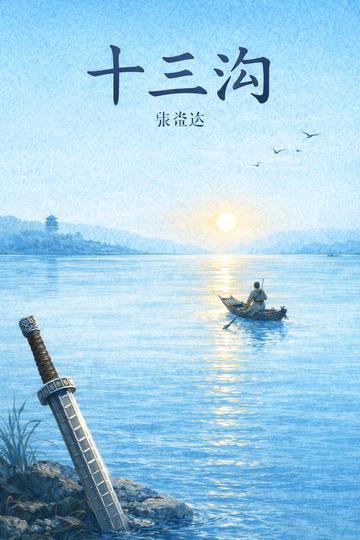
Hidden in the folds of the plains of the middle and lower reaches of the Yangtze River is a bloodline soaked by time - Shisangou. There are no legends of stormy waves here, only the breath seeping out of the soil, the morning dew condensing under the eaves, and the survival epic written by generations of people with their footprints. When the misty rain from the south of the Yangtze River flows over the bluestone road, this village becomes the most vivid slice of Chinese countryside. From the pioneers' bonfires to the horseshoes of the war during the Anti-Japanese War; from the rice grinding mortar that was polished brightly during the famine years, to the muddy eyes of the left-behind elderly people staring at the high-speed rail in the new century, every ravine in the Thirteenth Valley is filled with the salt of time. You will see how the genealogy in the ancestral hall was torn and mended by floods, how the raincoats of farewells at the ferry were passed on the shoulders of generations, and how in the same rice field, some people bent down to plant rice, while others straightened their spines.
This is not the story of a village, but a long polyphonic song about roots and floating trees. When the wave of urbanization washes away the last earthen wall, those blood meridians buried deep in the ground are still rushing in the dark. When you open "Thirteen Ditches", you will feel the true warmth of rural China and hear how the silent majority turn separation into another kind of reunion in the folds of the times. Rivers flowed from here, and generations of people walked out, and their stories continue.
Reader comments
The book truly depicts the rise and fall of a family and its unyielding spirit against the cruel reality. It contains very real emotions.
The book truly depicts the rise and fall of a family and its unyielding spirit against the cruel reality. It contains very real emotions.