Traveling through the Ming Dynasty: I became Yang Yiqing
core settings
1. Protagonist: Yang Rui, a professor of strategy at the Modern National Defense University, specializing in the military and political history of the Ming Dynasty. Due to an accident in the restoration of cultural relics, the soul of Yang Yiqing in the first year of Zhengde (1506) passed through his body. At this time, Yang Yiqing had just been appointed as the trilateral commander-in-chief and was about to go to Shaanxi to rectify the border defense. However, he suddenly fell ill due to years of hard work and was replaced by Yang Rui's soul.
2. Identity fusion: Yang Rui inherited Yang Yiqing's memory, connections and official reputation, but retained modern strategic thinking and military theory. He needs to imitate Yang Yiqing's words and deeds to avoid being discovered; at the same time, he needs to use his dual advantages to deal with crises such as Liu Jin's dictatorship, the northwest border invasion, and party disputes in the court.
3. Era background: In the early days of the Zhengde Dynasty, Wuzong of the Ming Dynasty indulged in entertainment, Liu Jin controlled the government, formed cliques for personal gain, and the officials were corrupt; the Mongolian Oara tribe in the northwest frequently invaded, the combat effectiveness of the border troops was low, and the military settlements were abandoned; the wealth in the south of the Yangtze River was plundered by the eunuch group, and the national finance was on the verge of collapse; the clan kings plotted rebellion, and the Ming Dynasty was full of hidden worries.
4. Core conflict:
- Inner conflict: Yang Rui needs to find a balance between "sticking to Yang Yiqing's original intention" and "using modern knowledge to reform". He must not only fulfill Yang Yiqing's long-cherished wish of "supporting the country and stabilizing the border defense", but also avoid unpredictable disasters caused by excessive changes in history.
- External conflicts: the power struggle with Liu Jin and his party members; the border war with the Mongolian tribes; the court games with the upstarts Zhang Cong and Gui E of the Jiajing Dynasty; and the conflicts of interest with the nobles and landlords when promoting reforms.
5.
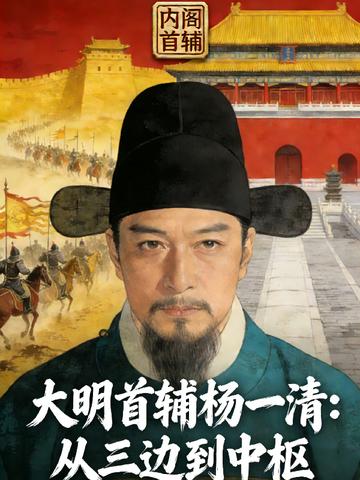
The plot is interesting, I quite like it,