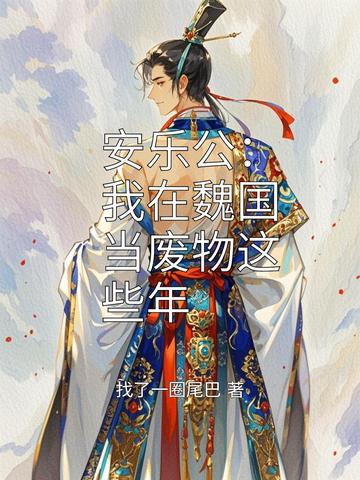
History is written by the victors, and Liu Chan was nailed to the pillar of shame of "luckily thinking about Shu" for thousands of years. The world only thought that he was a fatuous and useless king, but no one saw the eternal infamy and silent sorrow he carried. When the beacon fire of the Shu Han Dynasty was extinguished, he knelt on the city wall. What he asked was not the emperor's hegemony, but a soul judged as a "mediocre master" by the times. Can he complete the most tragic protection with forbearing wisdom? This work subverts the traditional narrative and reshapes Liu Chan as the "actor" in troubled times - he transforms his role as an emperor into the forbearance of the head of the family, and uses pretending to be crazy and acting stupid as his armor to launch a silent street battle in the heart of the enemy country. From the lowering of the flag in Chengdu to house arrest in Luoyang, he used stupidity to conceal his edge, used flattery to dispel suspicion, and protected the people and old ministers from humiliation. Only when facing his wife and children can he dare to take off his disguise and reveal his tired true feelings. He understood the survival philosophy of "softness can bear the load" and turned humiliation into the fire for counterattack. This is not a legend of a hero's rise, but a dark side epic of "carrying infamy for the one you love". In the torn between machinations and emotions, a king who has been misunderstood for thousands of years will eventually rewrite his destiny with silence.