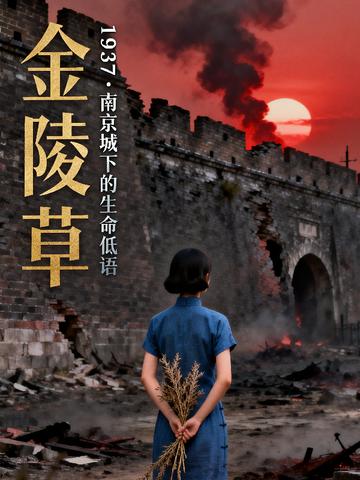
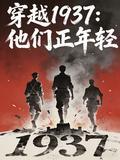
1937: After the City Fell, People Were Like Grass and Trees
On December 13, 1937, Nanjing fell. Its splendor shattered like a dream, and the city was reduced to weeds. As the evacuation whistles faded into the distance, those left behind in this city of hell were artisans, wounded soldiers, brothel workers, and doctors who had not escaped in time.
Old Zhou was a timid paper effigy maker who had spent his whole life afraid, yet he stitched bloodstained evidence capable of shaking the world into the belly of a paper horse. Old Ma was a foul-mouthed veteran who wanted nothing more than to run, yet after donning a bright red funeral robe, he gripped a broken bayonet and charged back into the killing ground. Shen Jianing was a surgeon who had returned from Germany. She had once believed in humanitarianism, but in the end, under Japanese bayonets, she hid the last testimony inside her patient’s wound with her own hands.
No divine warriors came to save them. There was only a glimmer of light gathering with other glimmers. From the sewers beneath the ruins to the bloodstained safety zone, from the psychological battles in the operating room to desperate struggles for survival in cellar rooms, they were insignificant, yet in the darkness they grew into the toughest thorn in Nanjing’s side.
This is a brief history of survival. Spanning ten volumes and three hundred chapters, the book rejects the hollowness of grand narratives and uses intimate, meticulous prose to recreate the most authentic struggles and moments of warmth in that bitter winter of 1937. It tells no legends of heroes. It tells only of the snow that winter, how it buried human bones and gave birth to the souls of grass.
Jinling did not fall. Only the grass and trees endured, growing stubbornly in blood.