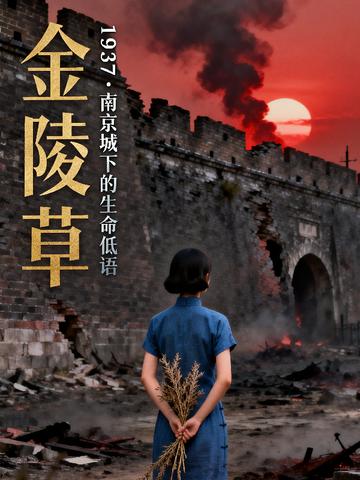
In 1937, after the city was destroyed, people were like grass and trees.
On December 13, 1937, Nanjing was destroyed. Prosperity is like a broken dream, and the city is full of grass and grass. When the evacuation whistle went away, what remained in this hellish city were the craftsmen, remnant soldiers, prostitutes and doctors who had no time to escape.
Zhou Laowen was a timid papermaker all his life, but he sewed bloody evidence into the belly of the paper horse that could shock the world; Lao Ma was a foul-mouthed veteran who wanted to escape, but after putting on a red shroud, he held a broken bayonet and fought back to death; Shen Jianing was a surgeon who returned from studying in Germany. She once believed in humanitarianism, but in the end she buried the last testimony in the patient's wound with her own hands under the bayonet of the Japanese army.
There is no magic weapon descending from the sky, only the glimmer of light holding together. From the sewers under the ruins to the bloody safety zone, from the psychological games on the operating table to the desperate survival in the cellar, they are insignificant, but they have grown into the hardest thorn in the city of Nanjing in the darkness.
This is a brief history of survival about "living". The book consists of ten volumes and 300 chapters. It rejects the vanity of grand narratives and uses delicate and nuanced writing to restore the most real human struggle and warmth in the cold winter of 1937. Instead of writing heroic legends, I only write about how the snow that winter buried human bones and gave birth to the soul of grass.
Jinling will not die, but the vegetation will survive in the blood.