
Stats
5.8Score
Synopsis
No synopsis yet.
We haven’t got an English blurb for this one. It appears once the source description has been translated.
We haven’t got an English blurb for this one. It appears once the source description has been translated.

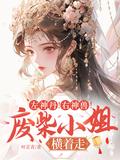


The cruel aesthetics of a subversive dark narrative The opening chapter of "The Poisonous Wife of Xuanmen: The Wasted Man's Counterattack in the Nine Heavens" breaks through the warm veil of traditional immortality writing and pulls readers into a cold and cruel world of laws. Here there is no comfort of God's reward for hard work, no romantic promise of "I am born with talents that will be useful". There is only the fate of an abandoned girl whose spiritual veins have been shattered, meeting the forbidden inheritance of the ancient Poison Lord under the firewood shed. The author constructs a subversive proposition with astonishing courage: when the path of spiritual practice is completely blocked, when orthodox laws have become a tool of oppression, how to "break the situation"? The answer is to turn to poison, a power system that has always been regarded as evil and taboo. The heroine's setting of "using her body as a cauldron to refine heaven and earth to poison" is not only a complete rebellion against the traditional concept of "Dantian Qi Hai" of immortality, but also a cold deconstruction of the ethics of cultivation - elixirs and spiritual weapons will rot when touched, and the talented monks will become nourishment. This is such a lonely and dangerous survival philosophy. The real edge of the novel lies in its cruel interrogation of the nature of "power". The so-called "waste counterattack" here sheds the inspirational sugar coating and reveals its bloody essence: every step of advancement requires "subverting the orthodoxy and counterattacking the way of heaven", and every breakthrough comes at the cost of bone-eroding pain. This is not growth, but sacrifice - a sacrifice to the abyss within yourself. The betrayer's spine paved the way to heaven, and even the divine king's helping hand is just a prey waiting to be eroded through the godhead. This bone-chilling cold logic constitutes the unique dark charm of the novel. At the narrative level, the author shows excellent rhythm control. From the desperate situation of the woodshed to the nine-day thunder catastrophe, from the mortal world to the crushing of destiny, the plot advances like poisonous ivy, which is both fierce and swift but also precise and calculated. Every reversal serves the construction of the world view, and every killing deepens the core proposition of "poison is the law". The heroine is decisive but resourceful in killing, ruthless but has her own twisted survival logic. The creation of this complex image can be called a masterpiece among dark heroines. What is particularly commendable is that the novel's expression of "female power" abandons kitsch softening and presents a rare cruel aesthetic. The heroine's power is not a gift given, but a weapon tempered from flesh and venom; her awakening is not a romantic redemption, but a cold conquest of the laws of the world. While orthodox fairy tales are still discussing how women "rise" within the existing framework, this work has boldly declared: If the framework itself is a cage, then it will corrode it, break it, and use its remains to forge a new order. "The Poisonous Wife" does not provide a warm redemption fantasy, but a dark feast about revenge, subversion and rebirth. Opening this work, you will witness not only the counterattack of a loser, but also the extreme deduction of a survival philosophy: when the world rejects everything about you, do you have the courage to become the "poison" that even the world fears?
This is a very good novel. Sometimes it is true that kindness is not salvation, but bloody conquest. The spines of betrayers pave her way to heaven, and even the helping hand extended by the gods will turn into ashes at the snap of her fingers.