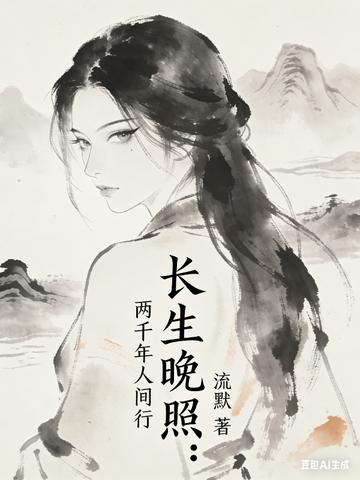
Su Wan, a modern programmer and historical novelist, suddenly dies while staying up late writing about the Qin dynasty. Her soul transmigrates to Linzi in 221 BC, possessing the body of an orphaned girl who died amid the chaos of war. When she wakes, she discovers that she is not only outwardly female but also possesses internal characteristics of both sexes. She has also been given an immortal body: her flesh heals itself, time cannot wear her down, and only extreme trauma can plunge her into an amnesiac sleep.
From then on, Su Wan enters the vast sweep of history from the Qin to the Qing dynasties as an ordinary person. She is a clerk copying laws in the Xianyang Palace, witnessing the flames of the book burning and the burying of scholars alive; a refugee who saves a child during the Chu-Han contention, witnessing the tragic suicide of the Hegemon-King by the Wu River; a traveling medical woman in Wei Qing's army, gazing toward the Northern Desert grasslands as the army celebrates its victory; a teacher at academies in the Tang and Song dynasties, listening to the bold style of Jian'an poetry and reciting delicate Song lyrics; and an accountant at a Ming-Qing banking house, glimpsing the undercurrents and crises beneath the prosperity of a golden age.
She hides in the cracks of history and never alters the main course of dynastic change, protecting only a few ordinary people and their joys and sorrows amid the dust. Immortality is no blessing, but a thousand-year shackle that forces her to watch old friends turn to dust and cities crumble.
When the Qing dynasty falls and the imperial system comes to an end, Su Wan stands on a street in a world torn by chaos, looking back across the land. A mysterious person appears and throws out a question that shakes her soul: "You've witnessed the rise and fall of dynasties and the joys and sorrows of humankind. Now, do you want to change it all?"
Three thousand years of wandering through the human world, and an ultimate question about history and choice: the story begins here.