Synopsis
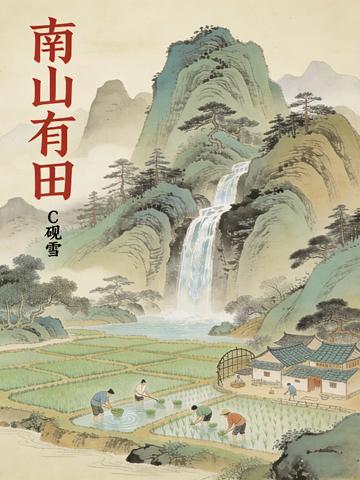
The South Mountain Has Fields is a warm, delicately told pastoral epic about the simple farming life of Chen Changqing, a boy who spends sixty years in South Mountain Village during the fictional Ning Dynasty.
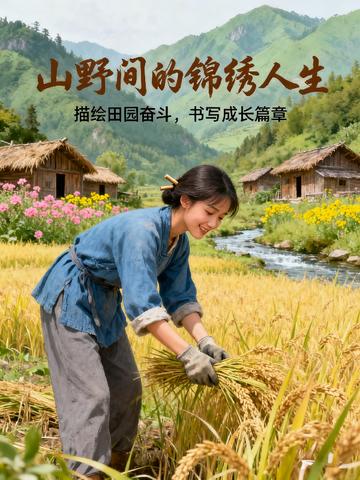
In the spring of his fifteenth year, Chen Changqing steps barefoot onto thawing soil during the spring planting. Under his father's guidance, he sows the first seed of his life. He and Yue Niang, a girl from a neighboring village, pledge their love with a grasshopper made of straw and an embroidered handkerchief, then start a family by the banks of the Qing River with the simplest of ceremonies. From then on, they gather fiddleheads in spring, tend the fields in summer, harvest rice in autumn, and pickle vegetables in winter, their lives breathing in time with the twenty-four solar terms.
The novel portrays traditional farming wisdom in meticulous detail: how to compost manure to improve the soil, raise fish in rice paddies to create an ecological cycle, identify edible mushrooms and herbs in the mountains, and use different fishing methods to gather the river's bounty. There are no imperial-examination triumphs or fortunes made in business rivalries, only a family doing honest work and living off the mountains and rivers around them.
From building an earthen house to seeing their children marry, from recording farming proverbs to passing them on to their grandchildren, Chen Changqing and Yue Niang witness three decades of subtle changes in South Mountain Village. Old trees die and new saplings grow; the variety of crops gradually expands, but the village's fundamental values and way of life never change. When Changqing hands his sharpened sickle to his son Chen Shi, he has completed life's fullest cycle.
This is a heartfelt ode to the land, a sweeping portrait of rural life with no over-the-top characters. Through the changing seasons and generations, it reveals the most authentic side of farming civilization: hard work makes the land fruitful, sincerity is rewarded, all things live in harmony, and life goes on without end.
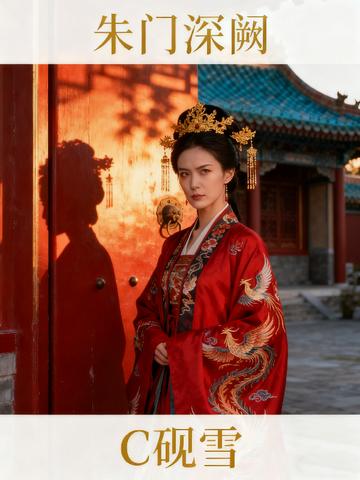
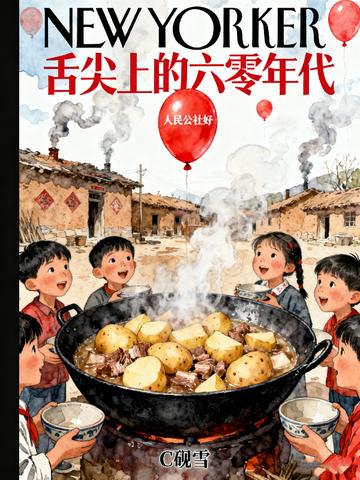
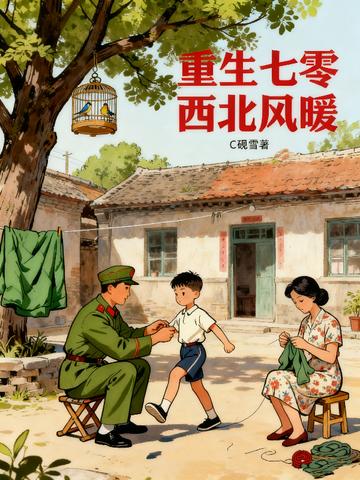




It has a very pastoral atmosphere and a sense of the times. It is a true portrayal of people in our era. It is very emotional. Time flies so fast. Several decades have passed in the blink of an eye!