In the winter of 1978, I squatted outside Shenyang Railway Station, gnawing on a frozen bean bun. Behind me stretched an endless snowy wilderness; ahead was a hometown I could never return to.
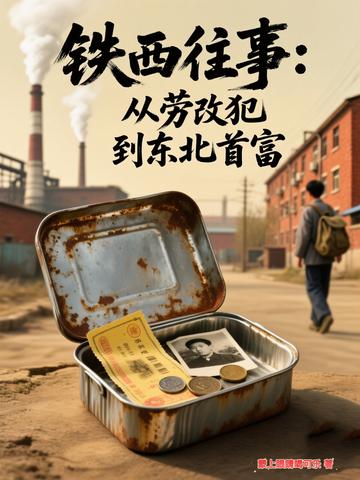
Others returned to the city with honors and commendations. I, Wang Xiangdong, had a certificate of release from reform through labor in my file, and nothing in my arms but the aluminum lunchbox my team leader had pressed into my hands when we parted.
The neighbors in the Tiexi compound pointed and whispered, “That no-good son of the Wang family is back.”
But they didn’t know...
That aluminum lunchbox held the steamed buns three women had given me, as well as the debts and sins of half my life.
The night before Liu Lijuan got married, she left a pair of new cotton shoes by my window.
Chen Xiaomei spent every day with me in Russia. When she left, she said, “I’ll wait for you.”
And then there was the woman from the south, who traded everything she owned for the last shred of my conscience.
From peddling peanuts on the street and being chased for three blocks by the Market Management Committee, to turning over jeans at Wuyi Market and making three thousand yuan a day;
from picking up my father’s rusty wrench during the wave of layoffs, to building the first wholesale clothing stall on the ruins;
from having nothing to my name, to becoming the target of everyone’s covetous stares...
Over 45 years, I turned that rusty aluminum lunchbox into a business empire worth tens of billions.
My father, a stubborn eighth-grade fitter all his life, waited until his final moments to say, “Son, the lunchbox isn’t rusty. Your mother secretly wipes it every day.”
Aluminum lunchboxes rust, but the taste of potatoes stewed with eggplant never changes. Chimneys may fall, but the bonds forged through facing hardship together can keep you warm for a lifetime, even in Shenyang at thirty degrees below zero.
“Dad, we’re workers’ children. We can fall down, but we can’t lose our voices.”
“But what if the factory itself goes under?”





It is a period narrative, with no time travel or anything like that. It is comfortable to watch. The stories about the old Northeast are chatted in Shenyang dialect. The characters are very in line with the characteristics of that era. There are no cheats, I just cook it slowly. I really like this rhythm!
I like the language of the article very much. Shenyang dialect is very friendly and the content is simple. I like the simple life of ordinary people, plain and simple.
Very good. Listen to it every day. Real memories of the years we have experienced.
It's very Northeastern and makes me homesick. It's a story about my hometown. Keep following it.
Very good. Who is the prototype?
The life of ordinary people reflects the joy, anger, sorrow and joy.
The written truth was experienced in that era
The description in the novel is very down-to-earth. Neighbors are harmonious but some parents have troubles. This is what life was like in the 1970s.
Nice story, wonderful content
It's quite real, the language is simple,