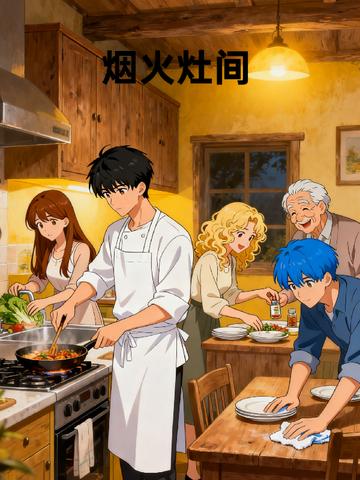
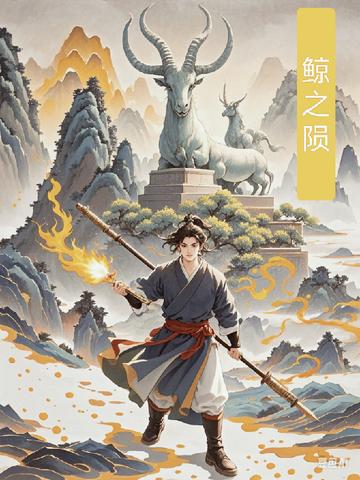
Lin Xiaohuo is a genius chef who can carve "Moonlit Night over the Twenty-Four Bridges" out of tofu. He's a culinary artist celebrated across the internet. Then he fails spectacularly at recreating the long-lost dish "Orange Stuffed with Crab," and a mysterious diner points out: "There's too much craftsmanship and not enough natural charm."
A map leads him on a flavor-seeking journey that overturns everything he knows:
In Lingnan, he grasps the philosophy of letting ingredients speak for themselves.
In Sichuan and Chongqing, he masters the magic of turning the ordinary into something extraordinary through seasoning.
In the Northwest, he hones his skills in noodles and pastries, learning to return to the natural and unadorned.
He gathers a group of "problematic" companions: an obsessive genius girl, an heir who safeguards an ancient sauce, a food blogger who uses data to break down the feel of cooking, and the mysterious woman who has been guiding him all along.
What they're searching for isn't a set recipe, but the "flavor genes" of Chinese cuisine. When a world-class challenge arrives, they use dishes such as "Classic of Mountains and Seas" and the "Five Flavors Harmony Cauldron" to express the roots and fusion of Eastern cooking.
Yet every pinnacle must eventually return to the light lit for ordinary people, and the simple warmth rising from the kitchen stove.
This is a passionate story about a genius breaking free from his shell, discovering the soul of food, and ultimately returning to the truth of everyday life.
Lin Xiaohuo, a gifted young chef from Suzhou, can transform tofu into "Moonlit Night over the Twenty-Four Bridges" with his remarkable carving skills. He's a culinary artist famous across the internet. He believes that food is "poetry and painting on a plate," until he pours his heart into recreating the lost classic "Orange Stuffed with Crab" and suffers a crushing defeat.
"You carved the shell, but the ancients cooked the soul." The sigh of his reclusive teacher, along with the mysterious diner Weiyang's remark, "There's too much craftsmanship and not enough natural charm," completely turns his world upside down.