Synopsis of The Legacy of the Memorial Arch
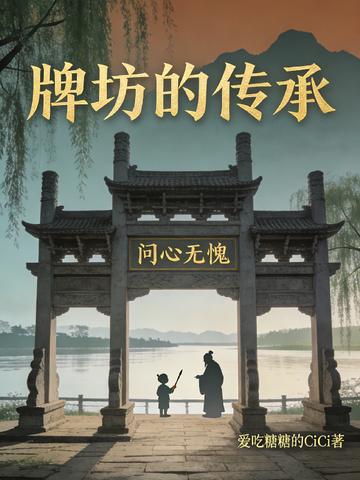
During the Zhengde era of the Ming dynasty, Liu Ziqiang, a farmer’s son from Fugou, was seven when local worthy Ping Zhiqi encouraged him with a gift of a writing brush. Liu vowed to “build one memorial arch upon another.” He studied hard, passed the highest imperial examination at twenty-three, and rose from a minor official in the Ministry of Revenue to become minister of the Ministries of War, Justice, and Revenue.
After thirty years in officialdom, Liu was demoted for pleading on behalf of the people in a Shandong grain transport scandal. He learned to compromise without abandoning his principles. In the thirty-eighth year of the Jiajing era, he returned home and built three memorial arches, designing them so Ping Zhiqi could inscribe them. As the gold lettering faded, the two men had a long conversation by the river. Ping Zhiqi wrote “A clear conscience” and brought Liu back from his mistaken path. Liu replaced the stone plaque and was demoted to Nanjing, finally realizing the true meaning of achievement and fame.
In his later years, Liu returned home and founded the Clear Conscience Academy, while Ping Zhiqi taught the arts of calligraphy and painting. The two men died one after the other, and their ashes were laid to rest in the Jialu River. Over three hundred years, the memorial arches were destroyed by war, and the stone plaque bearing “A clear conscience” was buried and later rediscovered. A child’s vow, an official’s struggles, and a scholar’s steadfastness became a four-character creed, passed down through generations in Fugou, as tireless as the river and renewed each year like the willow leaves.
This is a story of growing up, losing one’s way, and finding it again, as well as an enduring song of “keeping the people in one’s heart and earning merit for generations to come.”


Like this book very much.