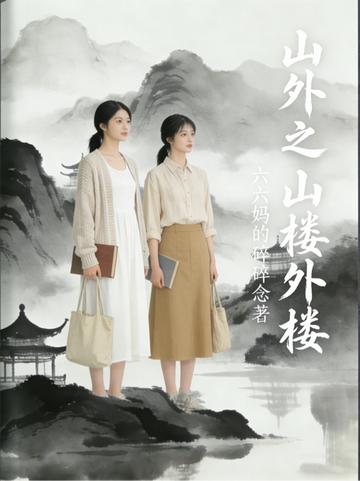
Sun Ru and Chen Yue, sisters from a mountain village, chose different paths and wound up with very different lives.
To escape poverty, the elder sister, Sun Ru, used marriage as a stepping stone, marrying a disabled city dweller who had received compensation for the demolition of his home. Clever and ruthless, she started with a tobacco and liquor shop, ingratiated herself with the powerful, and amassed billions during the real estate boom. Along the way, she schemed to arrange her younger sister's marriage, abandoned her husband, and distanced herself from her family. In the end, everyone turned against her. When her patron fell, everything she had built collapsed in an instant, leaving her with nothing but money and a prison cell.
Her younger cousin, Chen Yue, had once been sent far from home by fate. Envious of her cousin's “success,” she divorced and went to join her, only to fall into a loveless relationship and be abandoned when she fell ill. During five years of fighting cancer, her daughter's companionship and her ex-husband's generous support brought her to her senses: genuine affection was worth far more than vanity. She beat the disease, returned to an ordinary family life, and found peace of mind.
Through the intertwined lives of two sisters over several decades, the story paints a profound portrait of desire, conscience, and choice. Sun Ru conquers the world around her, only to find herself hollow inside, while Chen Yue endures hardship and ultimately finds happiness in an ordinary life. Like two sides of a mirror, they reflect different understandings of “mountains beyond mountains”: one a perilous peak leading to wealth and status, the other a homecoming to the heart and to love. When all is said and done, what truly traps people is never the mountain of their origins, but the mountain in their hearts that they cannot cross.