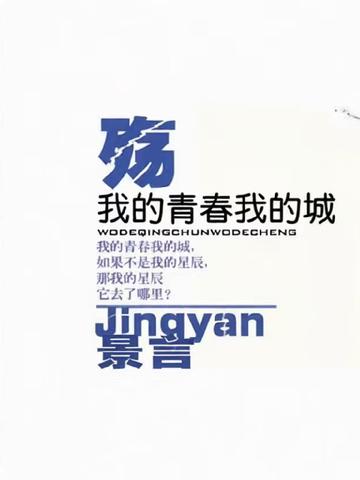
My Youth, My City
我的青春,我的城
- Status
- Completed
- Length
- 305k Words
- Genre
- Modern Romance
- Subgenre
- Period Fiction
- Updated
- 7mo ago
- Source
- Fanqie
Synopsis
86Chapters
4Reads
141Reads · all time
In booklists 7
Any New Books? Anything Between 10,000 and 200,000 Words!
New authors, feel free to showcase your books here. Any genre is welcome.
1.8kBooks410.9kViews14hUpdated
Please Recommend Books That Improve Your Chinese Language Intuition
Looking for books similar to "The Complete Works of Lu Xun (21 Volumes)". Please recommend books with an engaging, story-driven plot if possible.
273Books9.5MViews1dUpdated
Books with Lyrical Prose and a Rich Foundation in Poetry
Beautiful writing that captivates you at a glance is fine, as is something you can savor slowly and chew through piece by piece. I just haven’t found anything like that yet.
655Books1.5MViews1dUpdated
Underrated Romance: Engaging and Free of Tired Tropes
1kBooks2.7MViews2dUpdated
Any Novels Like Spring Returns to the Branches of a Sick Tree?
I'm looking for books like Spring Comes Again to the Tip of a Sick Tree.
133Books2.9MViews5dUpdated
Looking for Books That Can Improve a High School Student’s Literary Appreciation
Looking for books that can help high school students improve their literary literacy
92Books800.4kViews6dUpdated
Looking for Great Period Novels, Food Novels, Coastal Foraging Novels, and Career-Focused Novels
163Books9.4kViews5moUpdated
Reader comments 2
Translated by Google Translate
The writing style is very distinctive, and the overall presentation shows a high degree of integration of poetic realism and emotionally immersive narrative. 1. Language style: restrained and sharp, poetic in simplicity, superb in the art of blank space, and extremely dense in golden sentences. 2. Structural rhythm: montage-style interspersed, the commentary body breaks the fourth wall and innovates the narrative structure: the main line (Jing Yan receives the award three times + faints + writes poems) and the sub-line (comments from all netizens) are advanced alternately, forming a multi-voice chorus effect. Netizens have diverse identities (teachers, psychologists, Generation Z, classical scholars) and interpret Jing Yan's poetry and life from different perspectives, giving the text social breadth and psychological depth. The rhythm is relaxed and relaxed. 3. Imagery system: tiny objects carry grand emotions The whole text constructs a set of highly symbolic images, giving ordinary things soul weight. 4. Emotional tension: sad but not sad, painful but bright. The writing of trauma is restrained and profound: writing about losing a mother, losing a cat, anemia, fainting, being misunderstood, but refusing to be miserable. Pain is transformed into poetry ("Phantom", "Enlightenment", "Endless Thoughts"), forming a closed loop of "healing the heart with literature". "If contemporary Chinese literature needs a kind of warmth, it must be what he writes - restrained, deep, with scars, but always facing the light." This is a text of "light written with wounds". With the density of poetry, the texture of novels, and the breadth of commentary, it portrays a Chinese boy looking up to the sky in the abyss. The writing style has the roughness of earth and the clarity of stars; it has both individual pain and the echo of the times. It is not only a good writing style, but also a gentle and firm literary belief: - Every silent soul deserves to be seen; every silent tear deserves to be turned into a light that illuminates others. "This is not writing, it is carving your heartbeat into paper."
The technique is well used and the conditioning logic is clear