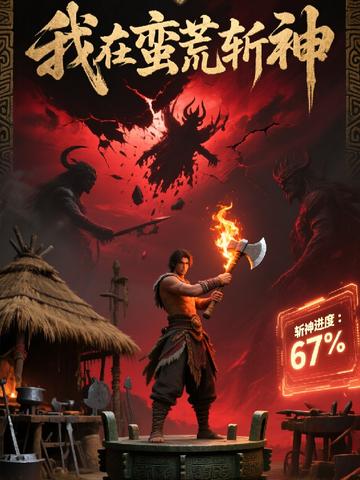
Traveling through the wilderness, Xia Tuo became the leader of a declining tribe that everyone could bully. Here the beast gods run rampant and feed on humans; here the mountain gods are indifferent and treat the tribe as trivial. When he activated the [Strongest Patriarch System], he thought he could lead his people to farm safely, but he found that the so-called "sacrifice to gods" was just a vicious beast puppet trapped in ancient times. They use human blood as a shackle, swallowing up faith and cutting off the way forward. The ultimate mission of the system is activated - [Slay Gods and Establish Dao], lead the human race to break the shackles of blood and regain control of their destiny! Xia Tuo cast Jiuding to control luck and create laws and order. When the so-called "gods" in the sky sent down divine punishments, he held a stone ax condensed by the faith of his tribe and laughed loudly: "Today, I use my mortal body to open up a divine path to heaven for mankind!"
Reader comments
The core highlights are:
1. Creative integration: The basic framework of "system + farming + rise of tribes" is solid, and the ultimate goal of "killing gods" successfully elevates the story from survival competition to a philosophical confrontation between civilization and theocracy, laying a unique epic tone.
2. Solid narrative: The early rhythm is well controlled, and through "survival crisis-internal conflicts-external invasion" it progresses step by step, and the details of farming are combined with bloody battles, making the reading refreshing and clear.
3. Distinctive characters: The protagonist Xia Tuo has a clear growth line, and the supporting characters such as Giant Rock, High Priest, Wolf Claw, etc. Have three-dimensional images with their own behavioral logic and motivations, avoiding being instrumentalized.
4. Self-consistent logic: Ensure that technological transitions, power games, and power systems (systems/totems) are set up tightly to avoid sacrificing rationality for the sake of advancing the plot.
5. Rhythm and depth: In the medium and long term, it is necessary to plan a clear outline, maintain plot tension, and try to dig deeper into themes such as civilization, faith, and inheritance to enhance the connotation of the work.
6. Precision in writing: Continuously refine detailed descriptions and dialogues in continuous creation, strengthen the ability to "show rather than tell", and make the text more immersive and appealing.
This is my objective review. Readers can read it if they are interested.
The core highlights are: 1. Creative integration: The basic framework of "system + farming + rise of tribes" is solid, and the ultimate goal of "killing gods" successfully elevates the story from survival competition to a philosophical confrontation between civilization and theocracy, laying a unique epic tone. 2. Solid narrative: The early rhythm is well controlled, and through "survival crisis-internal conflicts-external invasion" it progresses step by step, and the details of farming are combined with bloody battles, making the reading refreshing and clear. 3. Distinctive characters: The protagonist Xia Tuo has a clear growth line, and the supporting characters such as Giant Rock, High Priest, Wolf Claw, etc. Have three-dimensional images with their own behavioral logic and motivations, avoiding being instrumentalized. 4. Self-consistent logic: Ensure that technological transitions, power games, and power systems (systems/totems) are set up tightly to avoid sacrificing rationality for the sake of advancing the plot. 5. Rhythm and depth: In the medium and long term, it is necessary to plan a clear outline, maintain plot tension, and try to dig deeper into themes such as civilization, faith, and inheritance to enhance the connotation of the work. 6. Precision in writing: Continuously refine detailed descriptions and dialogues in continuous creation, strengthen the ability to "show rather than tell", and make the text more immersive and appealing. This is my objective review. Readers can read it if they are interested.