Summary of the novel
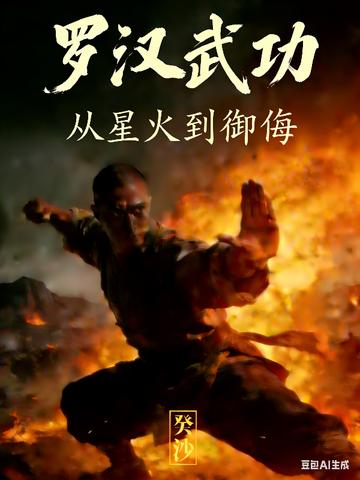
This novel is based on the modern history of China from 1911 to 1945, and revolves around the journey of "protecting the people" of core figures such as Yue Zhenchuan and Shen Yanchen. From the countryside of Zhengzhou at the end of the Qing Dynasty and the beginning of the Republic of China, Yue Zhenchuan inherited Arhat martial arts (stick, knife, boxing, sword), and with the original intention of "protecting the people without hurting others", he led the people to resist stragglers and bandits; during the Agrarian Revolution, he followed the Red Army with the Arhat Sword, taught skills and trained soldiers in the Soviet Area of Western Fujian, used martial arts to protect his comrades and the people during the Xiangjiang Campaign and the Long March, and witnessed the "Sparking Fire" Revolutionary process; after the outbreak of the all-out Anti-Japanese War, he joined the Eighth Route Army. At the Yan'an training ground, behind enemy lines in Shanxi-Chahar-Hebei Province, and in the North China Plain, he used iron rods to break the Japanese sabers, and used the Arhat Boxer to protect food and fields. In a duel with Matsui, a Japanese kendo master, he demonstrated the spiritual core of Chinese martial arts of "protecting the homeland and resisting foreign aggression," and finally witnessed the dawn of victory in the Anti-Japanese War in 1945. The whole book uses Luohan martial arts as a clue to connect personal destiny and national justice. It not only demonstrates the practical value of martial arts in the revolution and anti-Japanese war in the cold weapon era, but also highlights the Chinese spirit of "protecting the people with force and establishing hearts with justice." It is an epic work that combines historical significance and martial arts philosophy.